Traditional Gujarati Handicrafts: A Celebration of Gujarat's Artistic Heritage
Gujarat is known for its vibrant culture, colorful festivals, traditional clothing, and distinctive handicrafts. From intricate embroidery and beautifully patterned textiles to decorative pottery and hand-painted wooden objects, traditional Gujarati handicrafts reflect the creativity, skills, and cultural identity of the communities that produce them.
These crafts are more than decorative objects. They represent generations of artistic knowledge, regional traditions, and the relationship between everyday life and creative expression. Whether displayed in a modern home, incorporated into wedding decorations, or selected as a meaningful gift, Gujarati-inspired handicrafts bring warmth, color, and cultural character to a space.
For people interested in Indian handicrafts, home styling, wedding décor, and handmade gifts, Gujarat offers a rich source of inspiration. Its traditional patterns and vibrant colors can complement both classic Indian interiors and contemporary decorative arrangements.
In this guide, we explore popular traditional Gujarati handicrafts, their distinctive features, ways to use them in modern décor, and practical tips for choosing and maintaining decorative pieces.
What Makes Traditional Gujarati Handicrafts Special?
Traditional Gujarati handicrafts are shaped by the state's regional diversity, cultural traditions, festivals, and textile heritage. Different communities have developed distinctive techniques, patterns, and decorative styles over generations.
Several characteristics make Gujarati crafts particularly recognizable.
1. Vibrant colors: Traditional designs frequently feature combinations of red, yellow, orange, green, blue, and other expressive colors.
2. Detailed craftsmanship: Embroidery, weaving, printing, painting, and decorative embellishment can require considerable attention to detail.
3. Distinctive patterns: Geometric shapes, floral motifs, mirrors, and repeating decorative designs appear in many Gujarati craft traditions.
4. Cultural significance: Many crafts are connected with clothing, celebrations, household traditions, festivals, and regional identities.
5. Versatile decorative appeal: Gujarati-inspired colors and patterns can be incorporated into wall displays, table arrangements, festive decorations, and contemporary interiors.
Not every craft is produced in the same way throughout Gujarat. Materials, methods, and designs vary by region, community, and individual artisan.
1. Kutch Embroidery: Colorful Threads and Mirror Work
Kutch, a region in Gujarat, is widely associated with distinctive embroidery traditions. These textiles are admired for their colorful stitching, intricate patterns, and decorative details.
Mirror-work embroidery, commonly associated with Gujarati textile traditions, uses small reflective pieces incorporated into embroidered designs. These details create visual interest and can make a textile stand out in a decorative arrangement.
Common uses of Gujarati embroidery
Kutch-inspired embroidery can be found on:
- Decorative cushion covers
- Wall hangings
- Traditional garments
- Bags and accessories
- Table runners
- Festive textile decorations
- Decorative fabric panels
How to use embroidery in home décor
A colorful embroidered cushion can become a focal point in a neutral living room. Alternatively, a framed textile panel can introduce traditional Indian patterns without requiring major changes to the room.
For a coordinated arrangement, combine one embroidered piece with plain cushions, natural wood furniture, or simple ceramic accessories. This allows the detailed stitching to remain the main attraction.
Gujarati-inspired embroidered textiles can also complement festive displays and wedding-themed interiors, particularly when their colors coordinate with the overall decoration.
When purchasing embroidered products, examine the stitching, backing fabric, embellishments, and finishing. If the textile includes mirrors or other attached decorative elements, check that they are securely fastened.
2. Bandhani: The Beauty of Traditional Tie-Dye
Bandhani is one of India's well-known tie-dye traditions and is strongly associated with Gujarat and Rajasthan. The technique involves tying sections of fabric before dyeing it to create characteristic patterns.
The resulting designs may feature small dots, rings, waves, and other repeating motifs. Traditional Bandhani textiles are often associated with festive clothing and celebrations.
Where Bandhani appears
Bandhani-inspired designs are commonly used for:
- Sarees and dupattas
- Traditional garments
- Decorative fabric accents
- Gift wrapping
- Festive table styling
- Wedding-related textile arrangements
Decorating with Bandhani-inspired patterns
Bandhani fabrics can introduce color into a room without requiring extensive decoration.
For example, a folded Bandhani textile can be displayed on a decorative table alongside a simple vase. A coordinated fabric panel can also add visual interest to a festive backdrop.
For weddings and celebrations, consider selecting Bandhani-inspired colors that complement the flowers, lighting, and other decorative elements. Red and gold can create a traditional festive mood, while blue, white, and softer shades can support a more understated arrangement.
The key is balance. Because Bandhani patterns can be visually detailed, pairing them with simpler surfaces often produces a more harmonious result.
3. Patola: A Distinguished Gujarati Textile Tradition
Patola is a celebrated textile tradition associated particularly with Patan in Gujarat. Patola weaving is known for its intricate patterns and complex double-ikat technique.
In double ikat, both the warp and weft threads are resist-dyed before weaving. The careful alignment of these threads creates the finished design.
Traditional Patola textiles may feature geometric, floral, and other intricate motifs. Their production requires specialized knowledge and considerable precision.
Why Patola attracts attention
Patola is valued for its distinctive visual patterns, cultural significance, and demanding weaving process.
Its designs can inspire decorative styling beyond clothing. For example, geometric motifs and strong color combinations can influence:
- Cushion and textile selections
- Decorative wall displays
- Festive tablescapes
- Traditional gift presentation
- Contemporary Indian-inspired interiors
When buying a genuine Patola textile, pay attention to its origin, production method, and seller's description. Printed fabrics that imitate Patola patterns should not automatically be described as authentic woven Patola.
For decorative projects, Patola-inspired patterns can offer a way to celebrate Gujarati design while choosing materials appropriate to the budget and intended use.
4. Rogan Art: Traditional Painted Textile Art
Rogan art is a distinctive textile-painting tradition associated with the Kutch region of Gujarat.
The technique traditionally involves applying a thick, colored preparation to fabric and manipulating it to create decorative motifs. The process requires specialized skills and careful control.
Rogan art is particularly admired for its intricate designs and expressive use of pattern. Floral forms, stylized shapes, and other decorative motifs can give finished textiles a distinctive appearance.
Ways to display Rogan-inspired art
A carefully selected textile artwork can become a focal point in a living room, study, hallway, or office.
For the best visual effect:
- Choose a display area with sufficient space around the artwork.
- Use a simple frame or mounting method suitable for the textile.
- Coordinate surrounding accessories with one or two colors from the design.
- Avoid placing numerous competing patterns immediately beside it.
Because traditional Rogan art is associated with specialized craftsmanship, buyers interested in authentic pieces should ask about the artist, production process, and provenance.
Rogan-inspired designs can also inform contemporary decorative prints, although a printed reproduction is different from an original handcrafted textile artwork.
5. Gujarati Pottery and Terracotta Decorations
Clay-based crafts have an important place in many Indian regional traditions. In Gujarat, pottery and terracotta objects can serve both practical and decorative purposes.
Depending on the maker and regional tradition, clay objects may include vessels, pots, decorative pieces, and other household items.
Their natural surfaces can complement the vivid colors found in Gujarati textiles.
Ideas for decorating with pottery
Living room: Display a decorative pot on a side table or open shelf.
Entryway: Use a suitable decorative vessel as part of a welcoming arrangement.
Festivals: Combine pottery with flowers and other seasonal decorative objects.
Wedding décor: Incorporate appropriate clay-inspired elements into a coordinated traditional theme.
Gift presentation: Pair a decorative pot with flowers or another thoughtful item.
Before using a vessel for water, plants, food, or outdoor display, confirm that its material and finish are suitable for that purpose.
For a cohesive arrangement, combine pottery with wooden objects, woven textiles, artificial flowers, or brass-colored decorative accents. Contrasting textures can make a simple display feel more thoughtfully designed.
6. Gujarati Wooden Crafts and Decorative Objects
Woodworking is another broad area of Indian handicraft production. Gujarati-inspired decorative wooden objects can complement traditional interiors, festive arrangements, and contemporary home styling.
Depending on the specific craft and maker, decorative wooden products may feature carving, painted patterns, geometric designs, or ornamental details.
Popular decorative applications
Wooden handicrafts can be used as:
- Shelf decorations
- Tabletop accents
- Wall-mounted decorative pieces
- Gift items
- Decorative elements in festive arrangements
- Accessories for traditional interiors
When styling wooden objects, consider the finish and surrounding materials. Natural wood can complement neutral fabrics, while painted pieces can coordinate with colorful textiles.
For example, a painted wooden ornament placed beside a simple ceramic vase can introduce traditional character without overwhelming the display.
When purchasing a wooden craft, check the finish, construction, dimensions, and intended use. These details are especially important if the object will be placed in a frequently used area.
7. Decorative Beadwork, Embellishments, and Textile Accessories
Gujarati-inspired decorative styles frequently feature detailed embellishment, including beads, embroidery, mirrors, and colorful textile elements.
These details can influence many kinds of accessories and decorative products. They offer opportunities to introduce traditional Indian patterns into contemporary settings without relying exclusively on large furniture pieces or elaborate displays.
Creative uses for embellished décor
- Cushion accents
- Decorative fabric panels
- Festive table arrangements
- Gift packaging
- Wall displays
- Celebration backdrops
- Decorative accessories for special occasions
When selecting embellished items, consider where they will be used. Delicate pieces may be better suited to display than to areas where they will be handled frequently.
If a product includes beads, mirrors, or attached ornaments, check its construction and cleaning instructions .
8. How to Incorporate Gujarati Handicrafts Into Modern Home Décor
You do not need an entirely traditional interior to appreciate Gujarati handicrafts. A few thoughtfully selected pieces can introduce cultural character into a modern home.
Start with one focal point
Choose a standout item, such as an embroidered textile, decorative wall hanging, or handcrafted object.
Let that piece guide the rest of the arrangement. This creates a clear visual focus and prevents the room from feeling overcrowded.
Coordinate colors carefully
Gujarati handicrafts can feature strong and varied colors. Select two or three colors from the main decorative piece and repeat them through smaller accessories.
For example, a textile featuring red, yellow, and green could be paired with neutral furniture and a few accessories in complementary shades.
Mix textures
Combining different surfaces can make a display more interesting.
Consider pairing:
- Embroidered textiles with smooth wooden furniture
- Clay pottery with woven fabrics
- Decorative mirrors with plain backgrounds
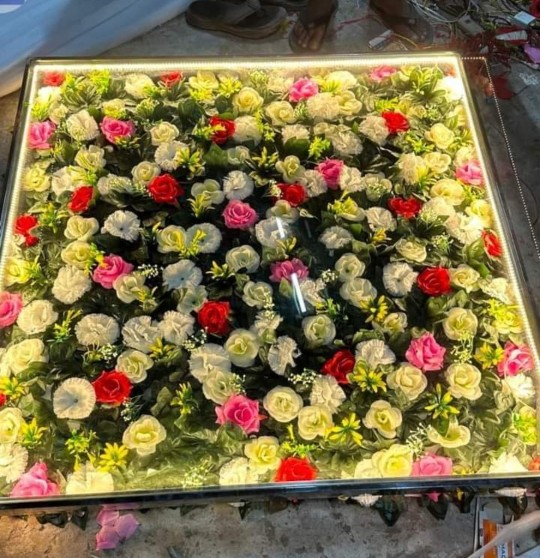
- Artificial flowers with traditional textile accents
- Metallic decorative accessories with neutral surfaces
The goal is to create contrast without making every object compete for attention.
Use lighting thoughtfully
Lighting influences how colors, textures, and reflective details appear.
Soft, warm lighting can complement many traditional decorative arrangements. For displays involving mirrors or reflective embellishments, position the lighting to create a balanced effect without excessive glare.
Change displays with the seasons
Small decorative changes can refresh a room for festivals, family gatherings, and celebrations.
You might introduce brighter textile accents for a festive occasion, add flowers to a tabletop arrangement, or replace everyday accessories with more colorful decorative pieces.
This approach allows you to enjoy traditional craft inspiration without permanently changing the entire room.
9. Gujarati-Inspired Wedding and Event Decoration Ideas
Traditional Gujarati handicrafts can provide inspiration for weddings, engagement ceremonies, family celebrations, and cultural events.
A successful event arrangement combines decorative elements that work together in color, scale, texture, and placement.
Create a colorful welcome display
Use a coordinated combination of textiles, flowers, and decorative objects to create an inviting entrance.
For a traditional look, consider bright textile patterns and warm metallic accents. For a contemporary interpretation, use fewer colors and allow one patterned element to become the focal point.
Style a photo backdrop
Gujarati-inspired patterns can add visual interest to a photo area.
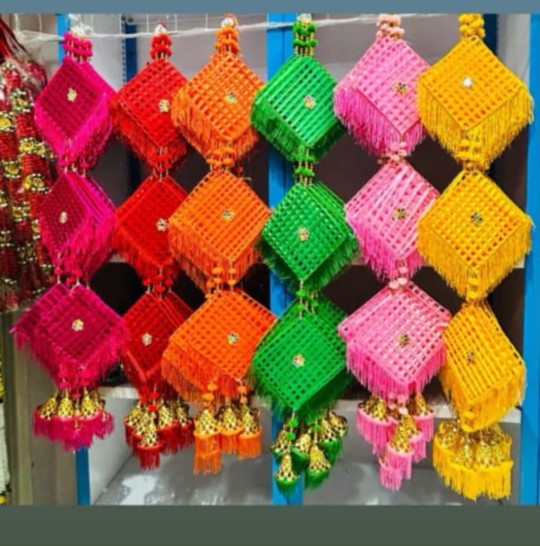
Consider incorporating fabric panels, decorative hanging elements, artificial flowers, or other suitable event props. Keep the arrangement balanced so that the individual elements remain visible in photographs.
Decorate tables and display areas
Small decorative pieces can help carry a theme throughout an event venue.
For example, a table arrangement might combine flowers, a decorative vessel, and a textile-inspired accent. The precise selection will depend on the event style, table size, and overall color scheme.
Combine traditional inspiration with contemporary décor
A modern wedding does not have to choose between traditional and contemporary styling.
Traditional textile patterns can be paired with simple furniture, coordinated artificial flowers, decorative lighting, and uncluttered backgrounds.
For larger arrangements, plan the layout before purchasing decorations. Consider the available space, event theme, installation requirements, and how guests will move through the venue.
Maryam Handicraft readers interested in event styling can also explore suitable handicraft decorations, artificial flowers, and wedding décor products to develop a coordinated look.
10. How to Choose Traditional Gujarati Handicrafts
Selecting the right handicraft involves more than choosing an attractive design. It is important to consider the product's intended use, construction, maintenance needs, and authenticity.
Use the following checklist when shopping.
| Buying considerationWhat to check | |
| Craft type | Identify whether the item is embroidered, woven, painted, molded, or otherwise decorated. |
| Materials | Review the seller's description and confirm which materials are used. |
| Craftsmanship | Examine visible stitching, surface details, finishing, and attached embellishments. |
| Dimensions | Check the measurements against your available display space. |
| Intended use | Determine whether the product is designed for display, practical use, or occasional decoration. |
| Maintenance | Ask about cleaning methods and any special care requirements. |
| Authenticity | For traditional artisan crafts, request relevant information about origin and production method. |
| Budget | Compare products with similar materials, craftsmanship, dimensions, and intended uses. |
| Shipping | Confirm delivery arrangements, packaging, and any applicable shipping charges before ordering. |
Handmade, handcrafted, and handcrafted-inspired products
These terms are not always interchangeable.
A handmade product is generally created substantially by hand, although tools may be used. A handcrafted product may involve a combination of manual work and tools or equipment.
A handcrafted-inspired product may use traditional patterns or decorative styles without being produced through the traditional artisan technique.
Understanding the distinction helps buyers make informed decisions and choose products that match their expectations.
If authenticity is important, ask specific questions about how the product was made rather than relying on appearance alone.
11. Caring for Gujarati Handicrafts
Different handicrafts require different maintenance methods. Embroidered textiles, painted objects, pottery, wooden decorations, and embellished accessories should not all be cleaned in the same way.
Textile handicrafts
- Follow the care instructions provided by the maker or seller.
- Avoid washing embroidered or embellished textiles without checking whether the materials can tolerate water.
- Store textiles in a clean, dry place.
- Keep delicate pieces away from excessive friction and prolonged direct sunlight.
Wooden decorations
- Remove dust with a soft, dry cloth unless the manufacturer recommends another method.
- Avoid soaking wooden objects in water.
- Keep them away from damp conditions if the finish or construction is not suitable for moisture.
Pottery and decorative vessels
- Check whether the item is intended for decorative or functional use.
- Use a suitable cleaning method for its finish.
- Handle delicate pieces carefully during cleaning and storage.
Beaded and mirror-work items
- Handle embellishments gently.
- Avoid pulling threads or attached decorative components.
- Inspect items occasionally for loose elements.
General storage advice
When storing seasonal decorations, clean them according to their care requirements before putting them away.
Use appropriate protective packaging and avoid placing heavy objects on delicate textiles or decorative pieces.
Careful storage helps preserve the appearance of handicrafts and makes them easier to reuse for future .
12. Traditional Gujarati Handicrafts as Meaningful Gifts
Handicrafts can make thoughtful gifts because they combine visual appeal with cultural inspiration.
They can be suitable for birthdays, housewarmings, weddings, anniversaries, festive occasions, and corporate gifting, depending on the product and recipient.
Gift ideas inspired by Gujarati design
For home décor enthusiasts: Consider decorative textiles, handcrafted wall pieces, or distinctive tabletop accessories.
For wedding gifts: Choose an item that complements the couple's tastes and living space.
For festival gifting: Explore decorative objects or coordinated gift arrangements inspired by traditional Indian colors.
For someone who appreciates art: Consider a textile artwork or a craft associated with a particular regional tradition.
For practical gift-giving: Choose a product that the recipient can use or display comfortably.
Before selecting a gift, consider the recipient's available space, preferred colors, and maintenance preferences. A smaller, well-chosen decorative piece may be more useful than an elaborate object that is difficult to display.
If purchasing an authentic regional craft, include accurate information about its technique and origin when that information is available.
13. Where Gujarati Handicrafts Fit Into Contemporary Indian Décor
Traditional Gujarati handicrafts are not limited to heritage homes or formal occasions. Their colors, patterns, and textures can inspire many contemporary decorating styles.
Minimalist interiors
Introduce one patterned textile or decorative object against a simple background.
Bohemian interiors
Combine textiles, woven accessories, pottery, and carefully selected decorative objects to create a layered arrangement.
Festive Indian interiors
Use colorful textiles, flowers, and decorative accents to create a welcoming atmosphere for family celebrations.
Contemporary wedding venues
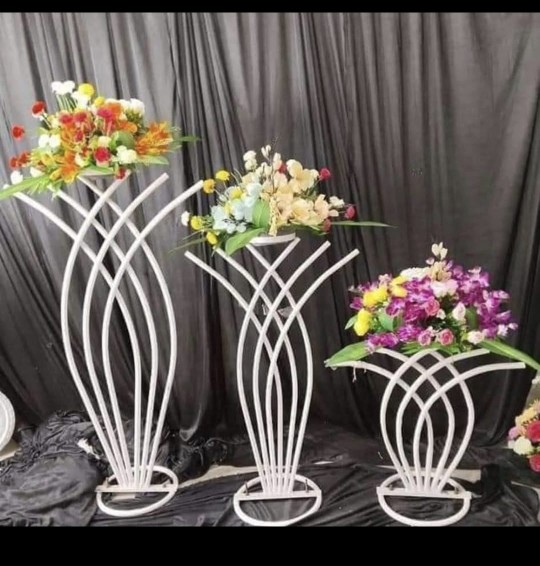
Choose selected Gujarati-inspired patterns and coordinate them with artificial flowers, lighting, and modern display structures.
Gifting and display collections
Arrange complementary decorative items by color, material, or theme to create a cohesive collection.
The most effective approach is to select pieces intentionally. Each item should contribute something to the overall arrangement rather than simply filling available space.
14. Exploring Handicrafts and Decorative Products at Maryam Handicraft
At Maryam Handicraft, visitors can explore decorative inspiration related to handicrafts, artificial flowers, wedding decorations, event props, and home décor.
If you are planning a traditional Indian interior or a festive event, consider how different decorative elements can work together.
For example, a Gujarati-inspired textile theme can be complemented by coordinated flowers, decorative lighting, tabletop accents, or other suitable ornaments.
When choosing products for a wedding or event, consider the complete arrangement rather than buying each item independently. Coordinating colors, sizes, textures, and placement can help create a more consistent decorative style.
Before ordering a product, review its actual description, available dimensions, materials, intended use, and shipping information.
You can explore the Maryam Handicraft website at maryamhandicraft.in to discover available decorative products and find ideas for your next home styling project, celebration, or gift.
Frequently Asked Questions About Traditional Gujarati Handicrafts
1. What are the most popular traditional Gujarati handicrafts?
Gujarati craft traditions include Kutch embroidery, Bandhani textiles, Patola weaving, Rogan art, pottery, and various decorative crafts. Their techniques and designs differ by region and artisan community.
2. What is special about Gujarati mirror-work embroidery?
Mirror-work embroidery incorporates small reflective elements into stitched designs. Combined with colorful threads and decorative patterns, it creates a distinctive appearance associated with several Gujarati textile traditions.
3. What is the difference between Bandhani and Patola?
Bandhani is a tie-dye textile technique in which sections of fabric are tied before dyeing. Patola is a textile tradition associated with Patan and is known for its intricate double-ikat weaving technique. They differ in their production methods and characteristic designs.
4. How can I use Gujarati handicrafts in modern home décor?
Start with one decorative focal point, such as an embroidered textile, patterned fabric, or handcrafted object. Pair it with simpler furniture, coordinated colors, and complementary accessories to create a balanced arrangement.
5. Are Gujarati handicrafts suitable for wedding decorations?
Yes. Gujarati-inspired textiles, patterns, and decorative objects can provide inspiration for wedding entrances, photo backdrops, table arrangements, and festive displays. Choose materials and products appropriate to the venue and intended use.
6. What should I check before buying traditional handicrafts online?
Review the product description, dimensions, materials, construction, photographs, maintenance requirements, shipping details, and return conditions. If authenticity matters, ask the seller about the craft's origin and production method.
7. How should I care for traditional Gujarati handicrafts?
Care depends on the materials and construction. Follow the maker's instructions, protect delicate textiles and embellishments from unnecessary friction, and store decorative pieces in suitable conditions.
8. Can Gujarati handicrafts make good gifts?
Yes. Traditional textiles, decorative objects, and regional craft-inspired products can make thoughtful gifts .
Conclusion: Bring Gujarati Craft Inspiration Into Your Space
Traditional Gujarati handicrafts offer a rich combination of color, technique, cultural heritage, and decorative versatility. From Kutch embroidery and Bandhani textiles to Patola weaving, Rogan art, pottery, and wooden decorations, these crafts provide inspiration for homes, weddings, festivals, and meaningful gifts.
The best way to incorporate Gujarati-inspired décor is to choose pieces that complement your surroundings and reflect your personal style. Pay attention to craftsmanship, materials, authenticity, and maintenance so that your selections suit their intended purpose.
Whether you are refreshing a living room, planning a celebration, or searching for a distinctive gift, traditional Indian handicrafts can help you create an arrangement with character and cultural inspiration.
Explore Maryam Handicraft at maryamhandicraft.in for handicraft products, artificial flowers, decorative accessories, and wedding décor inspiration. Discover pieces that complement your creative ideas and help you plan a beautiful, coordinated space or celebration.