Modern Wall Decor and Artefacts: Stylish Ideas for Every Home
Your walls are more than structural elements of your home. They provide an opportunity to express your personality, showcase your creativity, and make every room feel more welcoming. With the right modern wall decor and artefacts, even a simple interior can become an attractive and thoughtfully styled space.
Modern home decoration combines clean designs, carefully selected colours, decorative objects, and functional arrangements. From artistic wall accents and decorative panels to handcrafted artefacts, artificial flower arrangements, and statement ornaments, there are many ways to give your home a distinctive appearance without completely changing its furniture or layout.
At Maryam Handicraft, decorative accessories and handcrafted-inspired styling ideas offer inspiration for homeowners, interior decorators, event planners, and anyone looking to create attractive spaces.
Whether you are decorating a new home, refreshing your living room, preparing a guest area, or searching for a thoughtful housewarming gift, this guide will help you explore modern wall decoration ideas and choose .
1. What Is Modern Wall Decor and Why Does It Matter?
Modern wall decor includes decorative elements used to enhance vertical spaces and create visual interest. These elements can range from geometric wall accents and decorative panels to mirrors, artistic ornaments, floral arrangements, and handcrafted wall hangings.
Artefacts are decorative objects that contribute character, artistic interest, or cultural influence to an interior. Depending on the design, they may be displayed on walls, shelves, console tables, sideboards, or dedicated display units.
Together, modern wall decor and artefacts can help you:
- Make empty walls more visually interesting.
- Create a focal point in a living room or bedroom.
- Complement furniture, lighting, and curtains.
- Introduce colour, texture, and artistic detail.
- Reflect personal taste through carefully selected objects.
- Refresh an interior without replacing major furniture.
- Create a welcoming environment for family and guests.
The key is to choose decorations that work together rather than filling every available space. A well-planned arrangement often looks more attractive than a collection of unrelated accessories.
2. Popular Modern Wall Decor Ideas for Contemporary Homes
Modern interiors can incorporate many different decorative styles. The best choice depends on your room size, colour palette, furniture, lighting, and personal preferences.
A. Geometric Wall Decor
Geometric designs are suitable for interiors that favour clean lines and contemporary styling. Circular accents, symmetrical patterns, abstract shapes, and structured decorative arrangements can add interest to otherwise plain walls.
Consider geometric wall decor for:
- Living room feature walls.
- Modern apartments.
- Home offices.
- Hallways and entryways.
- Minimalist bedroom interiors.
For a balanced appearance, choose shapes and finishes that complement nearby furniture. A simple geometric arrangement can work particularly well when the surrounding wall is relatively uncluttered.
B. Decorative Wall Panels
Decorative wall panels can create a more defined and coordinated appearance. Depending on the design, they may introduce patterns, visual depth, or a distinct feature behind a sofa, bed, or console table.
When selecting panels, consider the wall's dimensions and the overall style of the room. Large, elaborate patterns may attract attention, while simpler designs can blend more easily into contemporary interiors.
Avoid selecting panels solely because they look attractive in isolation. Think about how their colours and proportions will interact with the room.
C. Artistic Wall Hangings
Wall hangings provide an opportunity to introduce texture and handcrafted character. Depending on the design, they may feature woven patterns, decorative fibres, artistic shapes, or traditional influences interpreted in a modern way.
They can be used in living rooms, bedrooms, reading corners, and creative workspaces.
For a coordinated look, combine a textured wall hanging with simple furniture and understated accessories. This allows the decorative piece to remain the main attraction.
D. Statement Mirrors
Decorative mirrors can serve both practical and visual purposes. They reflect light and provide a useful surface for checking your appearance while also contributing to the room's overall design.
Consider placing a decorative mirror:
- Above an entryway console.
- On a living room feature wall.
- Near a dressing area.
- In a hallway with suitable lighting.
- Above a bedroom dresser.
Choose a frame that complements your furniture and other decorative accessories. Before installation, make sure the mirror and its mounting system are appropriate for the wall and its weight.
E. Abstract and Artistic Wall Accents
Abstract decorative accents work well when you want a contemporary interior without relying on a single theme. Sculptural shapes, asymmetrical designs, and artistic compositions can create an interesting visual feature.
These pieces can be especially effective in rooms with neutral furniture because they introduce character without requiring many additional accessories.
If you prefer a coordinated interior, repeat a colour or finish from the artwork elsewhere in the room, such as in cushions, lamps, or decorative objects.
3. Modern Decorative Artefacts That Enhance Interior Spaces
Wall decoration is only one part of a complete interior. Decorative artefacts placed on shelves, tables, and display units help connect different areas of a room.
Decorative Sculptures and Figurines
Sculptural ornaments can create a focal point on a console table, bookshelf, or sideboard. Depending on their shape and finish, they can complement minimalist, contemporary, traditional, or eclectic interiors.
When choosing decorative sculptures, consider their proportions relative to the furniture. A small object may disappear on a large surface, while an oversized piece can make a narrow console look crowded.
For the best result, display a few carefully selected objects instead of arranging too many pieces together.
Decorative Vases and Floral Arrangements
Vases and artificial flower arrangements are versatile accessories for modern homes. They can introduce colour and visual softness to a room without requiring a complete change to the existing decoration.
Artificial flowers can be especially useful in decorative arrangements where a consistent appearance is preferred and regular watering is impractical.
Consider these styling ideas:
- Place a floral arrangement on a living room console.
- Use a decorative vase as a dining table centrepiece.
- Add artificial flowers to a bedroom dressing table.
- Coordinate flower colours with cushions or curtains.
- Create a welcoming arrangement near an entryway.
The vase, flower arrangement, and surrounding accessories should work together. For example, a colourful floral arrangement can stand out against a neutral background, while softer tones may complement an already colourful room.
Decorative Tabletop Accessories
Small decorative objects can make shelves, side tables, and console units feel more thoughtfully arranged.
Possible choices include decorative bowls, artistic ornaments, small sculptures, candle holders, and display accessories.
A simple styling method is to group objects of different heights. Place a taller decorative item beside a medium-sized piece and a smaller accent, leaving enough open space to prevent the arrangement from feeling crowded.
Handcrafted Decorative Pieces
Handcrafted decorative pieces can introduce individuality into a contemporary interior. Their appeal may come from their shapes, textures, finishes, artistic details, or connection to traditional decorative techniques.
They can be displayed individually or combined with modern furniture to create a balanced mix of old and new influences.
When purchasing handcrafted artefacts, review the actual product images, dimensions, material information, and care instructions. These details help you determine whether an item suits your space and intended use.
4. How to Choose the Right Wall Decor for Your Living Room
The living room is often a central gathering place, making it an ideal area for a carefully planned decorative arrangement.
However, selecting wall decor should begin with the room itself rather than with an individual product.
Step 1: Identify the Main Focal Point
Look at the existing furniture and layout. Your focal point might be the wall behind the sofa, the area above a console table, or a designated display wall.
Choose one main area for your most noticeable decorative feature. This helps create a clear visual direction.
Step 2: Consider the Wall Size
The scale of the decoration should suit the available wall space.
A large, empty wall may benefit from a substantial artwork or a coordinated arrangement of smaller decorative pieces. A narrow wall may look better with a single vertical accent or a compact arrangement.
Measure the available space before purchasing anything, particularly if you plan to install wall-mounted items.
Step 3: Coordinate Colours
Consider the colours already present in your room, including:
- Wall paint.
- Sofa upholstery.
- Curtains.
- Rugs.
- Flooring.
- Furniture finishes.
- Decorative lighting.
You do not need to match every item exactly. Instead, select a few colours that complement one another.
For example, a neutral living room can incorporate warm metallic accents, green artificial foliage, or a colourful decorative object to create visual contrast.
Step 4: Balance Decorative Elements
If your wall already features a large artwork or mirror, avoid surrounding it with too many competing pieces.
Instead, use smaller artefacts on a nearby console or side table to connect the overall arrangement.
The aim is to create a coordinated interior in which each item contributes to the design.
Step 5: Consider Lighting
Lighting can influence how wall decor and artefacts appear throughout the day.
Natural light may highlight colours and textures, while artificial lighting can draw attention to a particular decorative feature in the evening.
Keep decorative items away from heat sources and ensure that any electrical lighting products are suitable for their intended installation.
5. Modern Wall Decor Ideas for Bedrooms
A bedroom should feel comfortable, organized, and personal. The right decorative accents can create a relaxing atmosphere without making the room look busy.
Decorate the Wall Behind the Bed
The wall behind the bed is a natural place for a decorative feature. Depending on your furniture and preferred style, consider:
- A coordinated arrangement of wall art.
- A decorative panel or textured wall hanging.
- A statement mirror on a suitable nearby wall.
- Simple artistic accents in complementary colours.
- A combination of wall decor and carefully selected bedside accessories.
Keep the arrangement proportionate to the bed. A small decoration may look disconnected above a large headboard, while several oversized pieces can overwhelm a compact bedroom.
Add Softness with Artificial Flowers
Artificial flowers can introduce colour and decorative detail to bedroom interiors. A small arrangement on a dressing table or bedside surface can complement the room without requiring regular watering.
Choose colours that work with your bedding, curtains, and furniture. Soft pinks, whites, creams, and greens can create a gentle visual palette, while stronger colours can provide contrast in a more expressive interior.
Create a Personalized Display
A bedroom can also include objects that reflect your interests and preferences. Decorative figurines, meaningful gifts, small artistic pieces, and coordinated accessories can help the room feel more individual.
Avoid overcrowding shelves or bedside tables. Keep frequently used surfaces practical and reserve dedicated spaces for decorative items.
6. Entryway and Hallway Decoration Ideas
The entryway is often the first area people see when entering a home. Thoughtful decoration can make it feel welcoming while keeping it functional.
Style a Console Table
A console table provides a convenient surface for a small decorative arrangement.
Consider combining:
- One statement artefact.
- A decorative vase with artificial flowers.
- A small tray for everyday essentials.
- A mirror or artwork positioned above the table.
You do not need to use every element. Select the pieces that suit your available space and daily routine.
Make Narrow Hallways Feel More Coordinated
Hallways can benefit from simple, vertically arranged decorations. A series of related wall accents or a single well-positioned artwork may create interest without obstructing movement.
If the hallway is narrow, avoid deep wall-mounted objects that could interfere with people passing through.
Use Decorative Lighting Thoughtfully
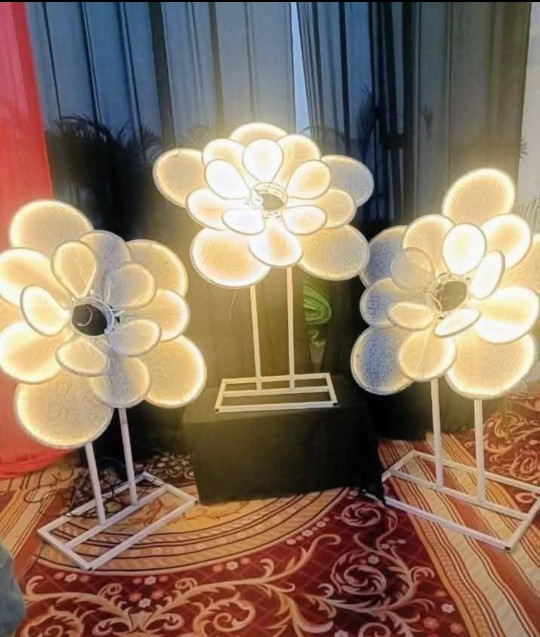
Decorative lighting can contribute to the atmosphere of an entryway, especially when coordinated with wall finishes and furniture.
Choose lighting based on the space, installation requirements, and intended use. Ensure that fixtures are installed safely and that the resulting illumination is appropriate for the area .
7. Modern Wall Decor for Small Homes and Apartments
Small spaces require a little more planning because every decorative element contributes to the overall appearance of the room.
The goal is not to eliminate decoration. It is to use it selectively.
Choose a Few Noticeable Pieces
Instead of covering every wall with small ornaments, choose a few pieces that work well together.
A carefully positioned mirror, an artistic wall accent, or a compact floral arrangement can provide visual interest without using valuable floor space.
Use Vertical Space
Wall-mounted decoration can help keep tables, shelves, and floors available for everyday activities.
Consider vertical arrangements of artwork, slim decorative panels, or appropriately mounted wall accessories.
Before installing anything, check the wall construction and use a suitable mounting system.
Keep the Colour Palette Coordinated
A consistent colour palette can make a small room feel more organized.
For example, you might combine cream walls, wooden furniture, green artificial foliage, and a few warm-toned decorative accents.
Alternatively, a monochromatic scheme can create a contemporary appearance through variations in texture, shape, and finish.
Avoid Visual Clutter
A small room may feel crowded when too many colours, patterns, and decorative objects compete for attention.
Try this simple approach:
- Select one main decorative feature.
- Choose two or three complementary accessories.
- Leave some wall and surface space empty.
- Review the arrangement from different parts of the room.
- Remove any item that does not contribute to the overall look.
Open space is an important part of interior styling. It allows individual decorations to stand out.
8. Combining Modern Decor with Traditional Indian Artefacts
Modern Indian interiors often combine contemporary design with traditional decorative influences. This approach can introduce warmth, cultural character, and visual variety.
You do not need to decorate an entire room in a traditional style to achieve this effect. A few carefully selected artefacts can provide the desired contrast.
Mix Contemporary Furniture with Traditional Accents
A modern sofa or console table can be paired with decorative objects inspired by traditional Indian motifs.
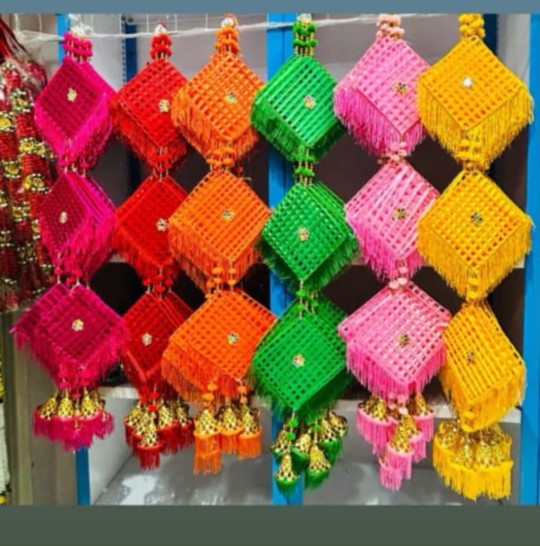
Depending on the room, these might include artistic ornaments, decorative hanging pieces, floral arrangements, or statement accessories.
The contrast between simple furniture and detailed decorative elements can make the overall design feel distinctive.
Use Flowers to Connect Different Styles
Floral arrangements can complement both contemporary and traditional interiors.
For example, artificial flowers arranged in a decorative vase can soften the appearance of a modern console while also working alongside traditional furniture and decorative objects.
Choose an arrangement that fits the size of the display area and coordinates with nearby colours.
Create a Festive Decorative Corner
A dedicated decorative corner can be refreshed for festivals, family gatherings, and celebrations.
Consider combining a decorative backdrop, floral accents, suitable lighting, and selected artefacts.
For temporary festive arrangements, make sure decorative items are placed securely and kept away from open flames or other heat sources.
This approach allows you to adapt your interior to different occasions without redesigning the entire room.
9. Wall Decor and Artefacts for Weddings and Special Events
Modern wall decoration is not limited to permanent home interiors. Decorative elements are also important for weddings, engagement ceremonies, receptions, festive gatherings, and other special events.
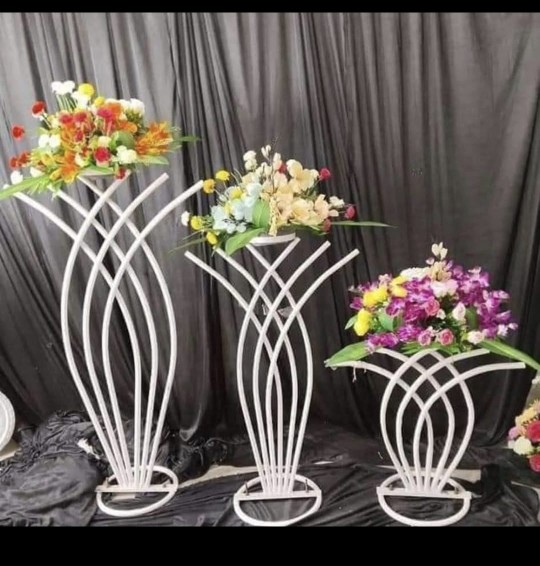
Event planners often use a combination of backdrops, artificial flowers, decorative panels, statement ornaments, and lighting to create a coordinated setting.
Wedding Backdrops
A decorative backdrop can provide a visual centrepiece for a wedding stage, photography area, or ceremony space.
When planning a backdrop, consider the event theme, venue dimensions, available lighting, and the positions of furniture or seating.
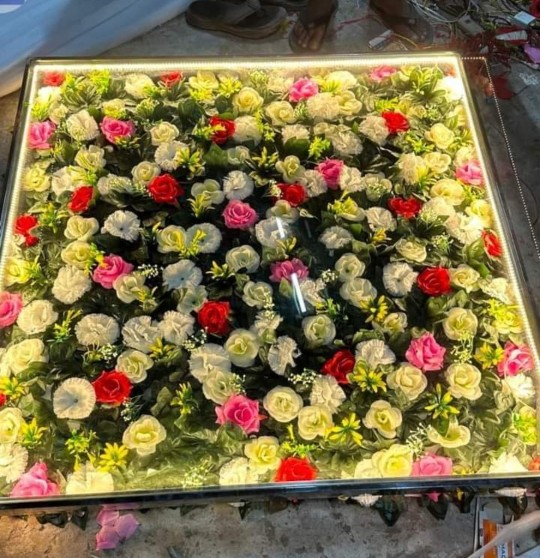
Artificial flowers may be incorporated into suitable arrangements to create a floral appearance that complements the overall design.
Decorative Stage Elements
Stage decoration can include coordinated panels, hanging ornaments, statement lighting, and other decorative accessories.
Choose items according to the stage layout and the atmosphere you want to create. A minimalist event may benefit from a simple backdrop with a few carefully placed accents, while a more elaborate celebration may call for layered decorative elements.
Make sure that stage structures and mounted decorations are properly secured, especially in areas where guests or staff will be moving.
Entrance and Welcome Areas
A decorated entrance can help establish the visual theme of an event before guests enter the main venue.
Suitable ideas include floral arrangements, decorative stands, coordinated hanging accents, and carefully arranged artefacts.
The design should complement the main event decoration rather than compete with it.
Coordinating Home Decor with Event Decor
Some decorative accessories can inspire ideas for both permanent interiors and temporary celebrations.
For example, a floral colour combination used for a wedding backdrop may also work as inspiration for a living room arrangement.
Likewise, decorative vases, artistic ornaments, and selected wall accents can help maintain a consistent visual theme across different spaces.
For customers exploring decorative products, Maryam Handicraft offers a starting point for discovering handicraft-inspired decor, artificial flowers, and decorative accessories suited to different styling ideas. Check individual product details to determine whether a particular item is suitable for your intended use.
10. How to Select Quality Wall Decor and Decorative Artefacts
Appearance is important, but purchasing decisions should also consider practicality, construction, installation, and maintenance.
Before buying modern wall decor or artefacts, review the following points.
| Buying considerationWhat to check | |
| Dimensions | Confirm the product's height, width, and depth against your available space. |
| Material | Review the stated material and any relevant care requirements. |
| Finish | Examine product images for visible surface details and finishing. |
| Weight | Check whether the intended wall, shelf, or table can support the item. |
| Installation | Confirm whether mounting hardware or professional installation is required. |
| Colour | Compare the product's appearance with your existing interior palette. |
| Maintenance | Understand how the item should be cleaned and stored. |
| Intended use | Check whether the product is suitable for indoor use, outdoor use, or a specific event setting. |
| Product details | Review the seller's description, included components, and available dimensions before ordering. |
Look Beyond Product Photographs
Product photographs can help you understand a design, but they may not show every practical detail.
Read the product description carefully and look for information about materials, measurements, assembly, installation, and care.
If an important specification is missing, ask the seller for clarification before purchasing.
Consider the Complete Arrangement
A decorative item may look attractive by itself but appear out of place in your room.
Think about where it will be displayed, what will surround it, and whether it will complement your existing furniture.
Planning the complete arrangement before ordering can help you avoid unnecessary purchases.
11. Easy Styling Rules for a Professional-Looking Interior
You do not need to be an interior designer to create an attractive decorative arrangement. A few basic principles can help you achieve a more coordinated result.
Rule 1: Establish a Focal Point
Choose one main feature, such as a decorative wall panel, mirror, artwork, or statement artefact.
Arrange supporting accessories around it without allowing them to compete for attention.
Rule 2: Vary Heights and Shapes
When arranging objects on a table or shelf, use a mixture of heights and shapes.
For example, a taller vase can sit beside a shorter decorative object and a small tray. The variation creates visual interest while maintaining a sense of order.
Rule 3: Repeat Selected Colours
Repeat a few colours throughout the room to connect separate decorative elements.
A colour appearing in wall art might also appear in a cushion, artificial flower arrangement, or tabletop accessory.
This does not require exact colour matching. Similar tones can be enough to create a visual connection.
Rule 4: Combine Textures Carefully
Different textures can make a room more interesting.
You might combine smooth furniture surfaces with textured wall hangings, floral arrangements, or decorative objects featuring contrasting finishes.
Keep the overall combination balanced so that the room does not feel visually overwhelming.
Rule 5: Leave Space Around Important Pieces
Decorative objects need room to be appreciated.
Avoid placing too many items close together, particularly around a statement mirror, artwork, or sculptural accent.
A little empty space can make the entire arrangement feel more intentional.
Rule 6: Decorate for Your Lifestyle
Choose items that suit the way you use your home.
In a busy family room, practical and easy-to-maintain decorations may be preferable. In a formal sitting room, you might choose more elaborate arrangements that are primarily intended for display.
The best decor is attractive and appropriate for everyday life.
12. Caring for Modern Wall Decor and Artefacts
Regular care helps keep decorative accessories looking presentable and makes it easier to identify maintenance issues.
Care requirements vary according to the product's material, construction, finish, and installation.
General Cleaning Tips
- Dust decorative surfaces regularly using a suitable soft cloth or brush.
- Follow the manufacturer's cleaning instructions.
- Avoid harsh chemicals unless the product instructions specifically permit them.
- Do not use excessive water on materials that may be damaged by moisture.
- Check mounted items periodically for signs of looseness.
- Keep delicate decorations away from areas where they could be knocked over.
- Follow any special handling instructions for mirrors, lighting, or fragile ornaments.
Caring for Artificial Flowers
Artificial flowers can collect dust, particularly when displayed in open areas.
To maintain their appearance:
- Remove loose dust with a soft brush or another suitable cleaning method.
- Check the product's material and cleaning instructions before using water.
- Avoid applying cleaning solutions without confirming that they are suitable.
- Keep the arrangement away from excessive heat.
- Store seasonal arrangements in a clean, dry place when not in use, following any product-specific storage guidance.
Different artificial flowers may require different cleaning methods, so avoid assuming that every material can be washed in the same way.
Caring for Wall-Mounted Decorations
Inspect wall-mounted decorations occasionally to ensure that they remain securely installed.
Pay particular attention to heavy mirrors, panels, and objects positioned above beds, sofas, or frequently used walkways.
Use mounting hardware appropriate for the wall type and product weight. Seek professional assistance when necessary.
13. Modern Wall Decor as a Gift for Different Occasions
Decorative accessories can be thoughtful gifts because they allow recipients to personalize their homes and display spaces.
However, the best choice depends on the recipient's preferences, available space, and existing interior style.
Housewarming Gifts
For a new home, consider decorative vases, artificial flower arrangements, compact artefacts, or versatile tabletop accessories.
Neutral designs can be easier to coordinate with different interiors when you are unsure about the recipient's preferred colours.
Wedding Gifts
Decorative objects can be suitable wedding gifts for couples who enjoy furnishing and personalizing their homes.
Consider a coordinated decorative set, an artistic display piece, or a floral accessory that complements a range of interior styles.
Before choosing a large or fragile item, consider the couple's available space and practical needs.
Festival Gifts
Festivals provide opportunities to give decorative accessories that can be displayed during celebrations or throughout the year.
Depending on the occasion, possible choices include decorative hanging pieces, floral arrangements, statement ornaments, and accessories inspired by traditional designs.
Gifts for Interior Design Enthusiasts
Someone who enjoys decorating may appreciate an unusual artefact, a distinctive wall accent, or an accessory that complements a particular design theme.
If you know the recipient's interior style, select something that adds to their existing collection rather than duplicating what they already own.
Tips for Choosing a Suitable Gift
Before purchasing, consider:
- The recipient's preferred decorative style.
- The colours and materials they commonly use.
- The amount of display space available.
- Whether the item requires installation.
- How easily it can be cleaned and maintained.
- Any special packaging or handling requirements.
A well-chosen decorative gift should be attractive, practical, and appropriate for the recipient.
14. How to Create a Coordinated Home Decor Shopping List
Shopping for modern wall decor and artefacts is easier when you begin with a simple plan.
Instead of buying several items at once, identify the spaces you want to improve and list the products that could help.
Start with One Room
Choose a living room, bedroom, entryway, or another area that needs attention.
Take measurements and note the existing colours, furniture finishes, and lighting conditions.
Identify the Missing Elements
Ask yourself what the room needs most.
For example:
- An empty wall may need artwork or a decorative panel.
- A plain console may benefit from a vase and a small artefact.
- A bedroom may need a coordinated wall accent.
- A festive display may need artificial flowers and suitable decorative accessories.
This approach helps you shop according to a clear purpose.
Choose Complementary Products
Once you have identified the main item, select supporting accessories that suit its design.
Avoid purchasing products simply because they look attractive individually. Consider how they will work together in the finished arrangement.
Review Product Information Before Ordering
Check dimensions, materials, installation requirements, and care instructions.
For online purchases, also review the seller's shipping information and applicable return or exchange policy.
If you are buying decorative items for an event, allow sufficient time for delivery, inspection, and setup.
Complete the Arrangement Gradually
You do not have to finish every room at once.
Start with the main decorative feature, assess how it looks in the space, and then add supporting accessories where needed.
This gradual approach allows you to make thoughtful decisions and maintain a consistent style.
15. Explore Modern Wall Decor and Artefacts with Maryam Handicraft
Creating a beautiful home is often about combining a few well-chosen pieces rather than making dramatic changes to every room.
Modern wall decor can provide structure and visual interest, while decorative artefacts, artificial flowers, and handcrafted-inspired accessories help create a more personal atmosphere.
From living room feature walls and bedroom accents to entryway arrangements, festive displays, and wedding decoration concepts, the possibilities depend on your space, preferences, and creative ideas.
When selecting decorative products, focus on suitable dimensions, complementary colours, clear product information, and practical maintenance requirements.
Maryam Handicraft brings together decorative inspiration for customers interested in handicrafts, artificial flowers, home decoration, wedding decor, and gifting accessories.
Explore the products available on the Maryam Handicraft website at maryamhandicraft.in and look for decorative pieces that fit your preferred style and intended use.
Whether you are refreshing a single wall, styling a complete room, or planning a special celebration, thoughtful decoration can help you create a space that feels welcoming, coordinated, and uniquely yours.
Frequently Asked Questions About Modern Wall Decor and Artefacts
1. What are the most popular types of modern wall decor?
Popular options include geometric wall accents, decorative panels, mirrors, artistic wall hangings, abstract artwork, and coordinated decorative arrangements. The best choice depends on the room's size, furniture, colour palette, and overall design.
2. How can I decorate a plain living room wall?
Start by identifying the wall's dimensions and the room's main focal point. You could consider artwork, a decorative panel, a statement mirror, or a coordinated arrangement of smaller accents. Keep the scale proportionate to the wall and leave enough open space for a balanced appearance.
3. What are decorative artefacts used for?
Decorative artefacts add visual interest and individuality to interior spaces. They can be displayed on shelves, console tables, sideboards, or suitable wall-mounted surfaces to complement furniture and other accessories.
4. Can modern wall decor be combined with traditional Indian decoration?
Yes. Contemporary furniture can work well with traditional-inspired artefacts, decorative hanging pieces, floral arrangements, and artistic accessories. Repeating a few colours or finishes helps connect the different styles.
5. Are artificial flowers suitable for modern home decor?
Artificial flowers can complement modern interiors when their colours, arrangement, and display container suit the surrounding furniture and decoration. They are useful for decorative displays where regular watering is impractical. Check individual product care instructions to determine the appropriate cleaning method.
6. How do I choose wall decor for a small room?
Choose decorations that suit the available wall space and avoid overcrowding. Mirrors, compact artwork, slim decorative accents, and a limited number of coordinated accessories can help create visual interest while preserving usable space.
7. What should I check before buying wall decor online?
Review the product's dimensions, stated materials, finish, weight, installation requirements, care instructions, and intended use. Examine the product photographs and description carefully, and ask the seller for clarification if important details are missing.
8. What decorative items make good housewarming gifts?
Decorative vases, artificial flower arrangements, compact artefacts, and versatile tabletop accessories can make thoughtful housewarming gifts. Consider the recipient's preferred colours, interior style, and available .
Final Thoughts
Modern wall decor and artefacts can transform the appearance of a room when selected and arranged thoughtfully. By balancing colours, textures, decorative objects, and open space, you can create interiors that reflect your personality while remaining practical and comfortable.
Explore Maryam Handicraft for decorative inspiration and discover products that complement your home styling, gifting, and event decoration ideas.