Light Decoration Ideas for Weddings, Events and Home Décor
Light decoration is one of the most effective ways to transform a simple space into an inviting, elegant, and memorable setting. Whether you are planning a wedding, decorating a birthday party, preparing an event stage, or refreshing your home interiors, the right combination of decorative lights can create a beautiful atmosphere.
From sparkling chandeliers and LED hanging lights to illuminated stage backdrops and decorative lighting arrangements, there are many ways to incorporate light into different styles of decoration. The key is to select lighting that complements the venue, suits the occasion, and works well with other decorative elements.
At Maryam Handicraft, decorative products, handcrafted accessories, artificial flowers, and event decoration ideas can help inspire creative arrangements for special occasions and interior styling.
This guide explores practical light decoration ideas, popular decorative lighting styles, selection tips,  maintenance advice, and ways to combine lighting with other decorative products.
Why Light Decoration Matters
Lighting does more than make a space visible. It influences how colours, textures, flowers, decorative structures, and backgrounds appear.
Thoughtfully arranged lighting can help you:
- Create a welcoming atmosphere for guests.
- Highlight wedding stages and event backdrops.
- Add visual interest to plain walls and ceilings.
- Complement artificial flowers and decorative installations.
- Create attractive photo areas at parties and celebrations.
- Enhance festive decorations during family gatherings.
- Bring warmth and character to living rooms, entrances, and display areas.
Different occasions require different lighting arrangements. A wedding stage may benefit from a layered decorative setup, while a small birthday celebration might need only a few carefully placed lights and a stylish backdrop.
The best approach is to consider the purpose of the space before choosing decorative lighting.
1. Wedding Light Decoration Ideas
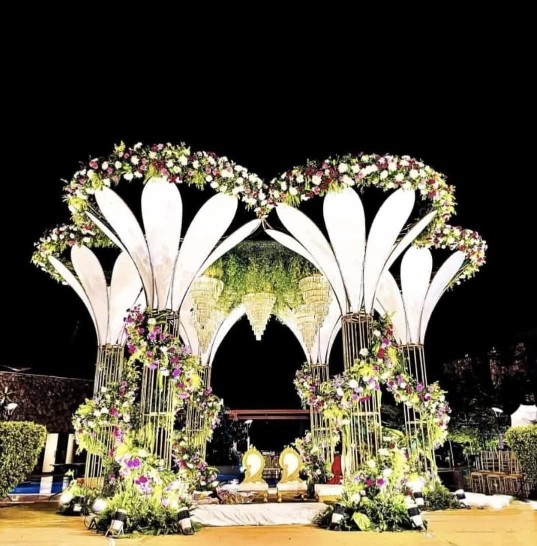
Wedding decorations often combine lighting, flowers, fabrics, and decorative structures to create a coordinated setting. Light decoration can help bring these elements together and make the venue feel more special.
Wedding Stage Lighting
The wedding stage is often a central feature of the venue. Decorative lighting can draw attention to the stage and complement its design.
Consider these ideas:
- Warm lighting: Combine warm-toned lights with floral arrangements for a welcoming appearance.
- Chandelier decoration: Use decorative chandeliers to add a focal point above or around the stage, where suitable.
- Illuminated backdrops: Incorporate lighting into a structured backdrop to create visual depth.
- Floral lighting: Pair artificial flowers with carefully positioned decorative lights.
- Layered arrangements: Combine background lighting with selected decorative fixtures rather than relying on a single light source.
When planning wedding stage lighting, consider the stage dimensions, ceiling height, power supply, and photography requirements. Avoid placing bright lights directly in guests' eyes or in positions that may create distracting glare in photographs.
Wedding Entrance Lighting
An illuminated entrance can help establish the decorative theme before guests enter the main venue.
Ideas include decorative arches, hanging lights, floral arrangements, and coordinated lighting along an entrance pathway. For outdoor events, choose products specifically suitable for the installation environment and expected weather conditions.
Floral Lighting Arrangements
Artificial flowers can complement decorative lighting without requiring fresh flowers for every arrangement. Place flower installations around selected light fixtures, stage borders, or backdrop structures to create a coordinated appearance.
Keep decorative materials away from hot bulbs, electrical connections, and other potential heat sources.
2. LED Light Decoration for Events
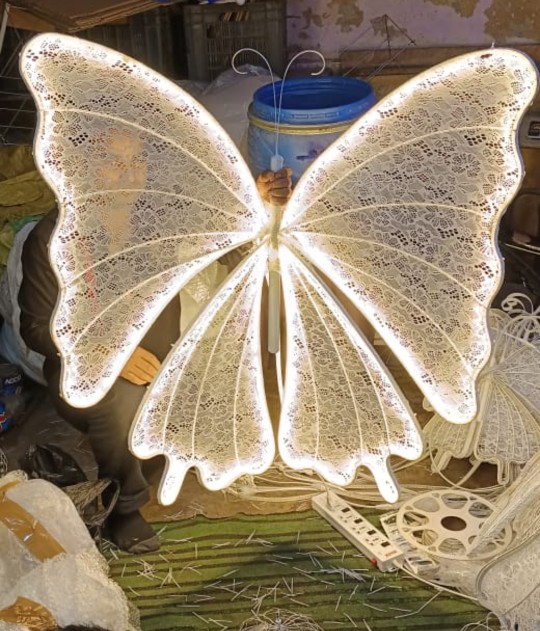
LED lighting is widely used in decorative settings because LED products are available in many shapes, colours, and designs. Depending on the product, they may be suitable for hanging arrangements, display areas, stage decorations, or festive installations.
Decorative LED Hanging Lights
Hanging lights can add visual interest to ceilings, entrances, event stages, and selected display areas.
Before choosing a hanging light, check its dimensions, suspension requirements, power source, and installation instructions. Make sure the ceiling or supporting structure is suitable for its weight.
LED Background Decoration
An illuminated background can help define the main visual area of an event. It may be used behind a stage, photo booth, reception table, or decorative display.
For a balanced design, consider combining:
- A simple background structure.
- Decorative LED lighting.
- Artificial flowers or foliage.
- Coordinated fabric or other suitable decorative materials.
- A few focal elements rather than too many competing designs.
The final arrangement should suit the venue's size and the overall theme.
Decorative Lights for Birthday Parties
Birthday decoration can be colourful, playful, or elegant depending on the age group and event theme.
For example, warm lights can complement a pastel birthday backdrop, while colourful decorative lights may suit a lively celebration. Small illuminated display elements can also be used around a cake table or designated photo area.
Choose a lighting arrangement that leaves sufficient space for guests to move comfortably.
3. Chandelier and Hanging Light Decoration
Chandeliers and decorative hanging lights can become statement pieces in weddings, banquet halls, reception areas, and home interiors.
Crystal Chandelier Decoration
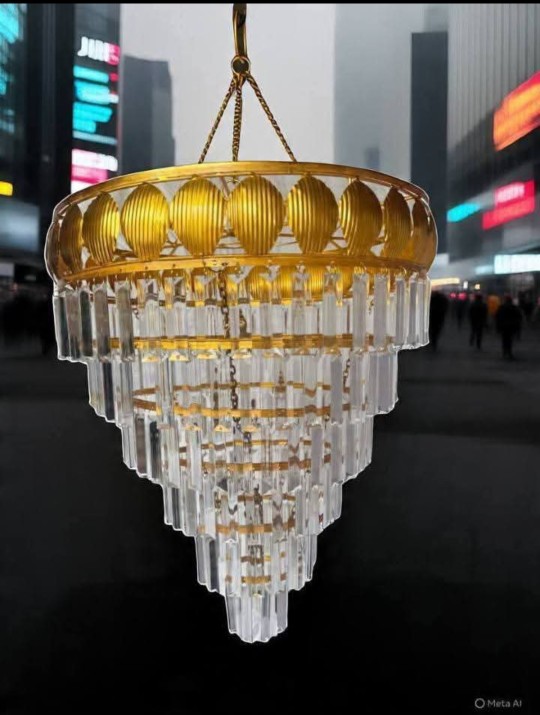
Crystal-style chandeliers can complement formal interiors and elaborate event settings. Their reflective elements interact with surrounding light, creating sparkle and visual detail.
They may work particularly well with:
- Elegant wedding stages.
- Reception decorations.
- Hotel and banquet interiors.
- Decorative ceiling installations.
- Formal entrance and display areas.
When selecting a chandelier, consider the available ceiling height and the visual scale of the room. An oversized fixture may overwhelm a small space, while a very small fixture may be less noticeable in a large venue.
Golden Decorative Lights
Golden decorative fixtures can complement traditional Indian wedding themes and interiors featuring gold, cream, beige, or warm-toned decorative elements.
Pair golden fixtures with coordinated stage structures, floral arrangements, and suitable background colours. To keep the design balanced, allow one or two elements to serve as focal points instead of making every part of the setup equally elaborate.
Jhumar and Hanging Decorations
Jhumar-style decorative fixtures can add detail to stage designs and festive interiors. Depending on their construction and installation requirements, they can be used as standalone decorative features or as part of a larger arrangement.
Check the fixture's dimensions, mounting method, and electrical requirements before installation.
4. Home Light Decoration Ideas
Decorative lighting is not limited to weddings and large events. It can also help make everyday living spaces more attractive and comfortable.
Living Room Lighting
The living room is a useful place to experiment with decorative lighting because it often serves several purposes, including relaxing, entertaining, and spending time with family.
Ideas include:
- Adding a decorative light to a side table or console.
- Using a suitable floor or table lamp to complement existing furniture.
- Highlighting a selected decorative wall or display.
- Pairing artificial flowers with a coordinated decorative arrangement.
- Using soft ambient lighting alongside the room's main light source.
Avoid filling every corner with decorative fixtures. A few well-positioned elements can create a more coordinated result.
Bedroom Light Decoration
Bedroom lighting generally benefits from a calm and comfortable appearance.
Consider soft ambient lighting, decorative lamps, or subtle accent lighting around suitable furniture. Ensure that cables are safely arranged and that fixtures do not obstruct walkways.
Choose lighting based on the room's existing colours, furniture, and practical needs.
Entrance and Hallway Lighting
An entrance can become more inviting with a coordinated arrangement of lighting and decorative accessories.
A console table, artificial flowers, a decorative vase, and an appropriate light fixture can create a simple focal point. In narrow hallways, avoid bulky fixtures that interfere with movement.
Festive Home Lighting
During celebrations, decorative lights can complement flowers, festive accessories, and traditional decorative items.
For Diwali and other festive occasions, consider combining suitable decorative lights with artificial floral arrangements, doorway decorations, and coordinated table displays.
Always use lights according to their intended location and keep electrical connections away from water and flammable decorative materials.
5. How to Combine Light Decoration with Artificial Flowers
Lighting and artificial flowers can work together to create attractive displays for weddings, parties, and home interiors.
The most successful arrangements consider both the lighting effect and the shape, colour, and placement of the flowers.
Choose a Coordinated Colour Palette
Start with two or three main colours. For example:
| Decoration styleSuggested coloursLighting approach | ||
| Elegant wedding | Cream, white, and gold | Warm-toned accent lighting |
| Modern celebration | White, beige, and blush | Soft, balanced illumination |
| Traditional event | Red, gold, and cream | Coordinated warm lighting |
| Fresh home décor | White, green, and natural wood | Comfortable ambient lighting |
| Colourful birthday | Pastel or bright shades | Lighting that complements the theme |
These are styling suggestions rather than fixed rules. The best combination depends on the venue and the desired effect.
Highlight Floral Installations
Place lighting so that it highlights the overall flower arrangement instead of overpowering it. Indirect lighting can help create a softer appearance, while carefully positioned accent lights can draw attention to selected decorative features.
Avoid placing lights so close to artificial flowers that they cause heat damage or create unwanted shadows.
Balance the Arrangement
A floral installation with many details may need simple lighting, while a minimal flower arrangement can benefit from a more distinctive decorative fixture.
Think about the entire composition, including the background, supporting structures, flowers, lights, and surrounding furniture.
6. Light Decoration for Different Events
Each occasion has its own requirements. Matching lighting to the event can help create a more suitable atmosphere.
Engagement and Reception Decoration
Engagement ceremonies and receptions often use coordinated stage backdrops, floral installations, decorative chandeliers, and accent lighting.
Select a consistent style that complements the venue rather than mixing too many unrelated elements.
Birthday and Anniversary Parties
For smaller celebrations, focus on the cake table, party backdrop, entrance, or photo area. Decorative LED lights can complement balloons, flowers, and themed accessories.
Choose products that are practical to install and easy to position without obstructing guests.
Corporate Events
Corporate event decoration often benefits from a neat, organised appearance. Use lighting to highlight the stage, presentation background, or designated display areas.
Make sure decorative fixtures do not interfere with screens, cameras, microphones, or audience visibility.
Exhibition and Product Display Lighting
For exhibitions and decorative product displays, suitable lighting can help visitors notice particular items.
Position lights to show product details without creating excessive glare. Check whether the lighting arrangement is appropriate for the displayed materials and any venue restrictions.
Hotel, Restaurant, and Banquet Decoration
Hospitality spaces may use decorative hanging fixtures, accent lighting, and coordinated interior accessories to create a distinctive environment.
The design should consider the space's existing lighting, ceiling height, cleaning requirements, and everyday use.
7. How to Choose the Right Decorative Lights
Before buying decorative lighting, consider the following factors.
1. Purpose of the Decoration
Decide whether the lights are intended for a wedding stage, home interior, birthday backdrop, entrance, or another purpose. This helps narrow down the appropriate product styles.
2. Size and Dimensions
Measure the available area before selecting hanging lights, chandeliers, or illuminated structures.
Check the fixture's actual dimensions and leave enough clearance for people to move safely around it.
3. Colour and Lighting Effect
Consider how the lighting will look alongside the surrounding colours.
Warm-toned lighting may complement traditional or cosy settings, while neutral lighting may suit some modern decorative styles. The best choice depends on the event theme and the appearance you want to create.
4. Power Requirements
Check the product's voltage, power source, connector type, and installation instructions. Do not assume that all LED products use the same electrical setup.
Use suitable electrical equipment and consult a qualified electrician when required.
5. Indoor or Outdoor Use
Not every decorative light is designed for outdoor conditions.
For outdoor installations, check the manufacturer's stated suitability for moisture, dust, temperature, and other relevant environmental conditions. Protect electrical connections as directed.
6. Installation and Maintenance
Consider how the light will be mounted, cleaned, stored, and removed after the event.
For hanging fixtures, confirm that the supporting structure can carry the load. Larger or electrically complex installations should be handled by qualified professionals.
7. Coordination with Other Décor
Look at the entire decorative arrangement before choosing individual products.
Lighting should complement the backdrop, artificial flowers, furniture, stage structures, and other decorative accessories.
8. Budget and Practicality
Compare products based on their intended use, dimensions, installation requirements, and included components.
For temporary events, consider transportation, setup time, removal, and storage as part of the overall planning process.
8. Creative Light Decoration Ideas for Small Spaces
You do not need a large venue to create an attractive decorative setup. Small spaces can look stylish when lighting is planned carefully.
Use One Main Decorative Feature
Choose a single focal point, such as a decorative chandelier, a floral backdrop with lighting, or an illuminated display table.
Keep surrounding decorations relatively simple so that the main feature stands out.
Decorate a Photo Corner
A small photo corner can be created using a suitable backdrop, artificial flowers, and decorative lighting. This works well for birthday celebrations, family gatherings, engagement parties, and other occasions.
Before installing lights, make sure that cables are secured and that the arrangement leaves enough room for guests and photography equipment.
Highlight a Decorative Table
A console table or display table can become a focal point with a coordinated combination of artificial flowers, decorative accessories, and suitable lighting.
For a balanced look, vary the height of the decorative elements while keeping the arrangement visually connected through colour and style.
Make Use of Vertical Space
Hanging decorations can help draw attention upward in rooms with suitable ceiling height. Decorative hanging lights or lightweight decorative elements may be incorporated into an arrangement when the mounting surface and installation method are appropriate.
Always check weight limits and installation requirements before hanging anything overhead.
9. Common Light Decoration Mistakes to Avoid
Even attractive lighting products may not produce the desired result when they are poorly selected or positioned.
Avoid these common mistakes:
Using too many different lighting styles: Combining several unrelated designs can make a space look cluttered. Choose a consistent decorative theme.
Ignoring the size of the venue: Large fixtures may overwhelm smaller rooms, while small decorative elements may not be visually prominent in large halls.
Choosing colours without considering the background: Lighting, flowers, fabric, and stage structures should work together rather than compete for attention.
Creating excessive brightness: Strong or poorly directed light can cause glare and make photography more difficult. Position fixtures thoughtfully.
Overlooking installation safety: Hanging fixtures must be properly supported, and electrical connections should be installed according to the manufacturer's instructions.
Using indoor products outdoors: Decorative lights intended only for indoor use should not be installed in exposed outdoor locations.
Forgetting maintenance: Dust, tangled wires, and damaged decorative elements can affect the appearance and safe use of a lighting arrangement.
Leaving no space for guests: Decorative structures should not block entrances, emergency exits, walkways, or accessible routes.
Planning these details in advance can help make your decoration both attractive and practical.
10. How to Maintain and Store Decorative Lights
Proper care can help keep decorative lighting organised and ready for future use. Always follow the care instructions provided with the product.
Cleaning Decorative Lights
Before cleaning, switch off the power and disconnect the fixture when the manufacturer's instructions permit.
- Use an appropriate soft cloth to remove dust from accessible surfaces.
- Avoid applying water or cleaning products to electrical components unless specifically permitted.
- Handle crystal-style decorative elements carefully.
- Do not pull on wires or connectors while cleaning.
- Allow any permitted cleaning process to finish before reconnecting the product.
For permanently installed or complex electrical fixtures, consult a qualified professional if cleaning requires disassembly.
Storing Lights After an Event
If the lights are designed to be removed and reused, organise them before storage.
- Disconnect the lights safely.
- Allow them to cool if applicable.
- Inspect cables and connectors for visible damage.
- Pack removable components according to the manufacturer's instructions.
- Store the items in a clean, dry location suitable for the product.
- Keep accessories and installation components together.
Avoid tightly bending cables, placing heavy items on delicate fixtures, or storing products in conditions that may damage their materials.
Checking Before Reuse
Before installing stored lights, check their visible condition and follow the manufacturer's instructions for safe operation. Do not use damaged cables, loose electrical connections, or fixtures that show signs of deterioration.
If a product requires repair, seek assistance from a qualified professional rather than attempting work beyond your knowledge.
11. Planning a Beautiful Light Decoration Setup with Maryam Handicraft
A well-planned decoration combines suitable products into a coordinated design. Instead of selecting every item separately without a clear theme, start with the event's main visual feature and build the rest of the arrangement around it.
Maryam Handicraft focuses on decorative products, handcrafted items, artificial flowers, wedding decoration accessories, and home décor inspiration that can help customers plan different types of decorative settings.
Here is a simple planning approach.
Step 1: Select the Main Decoration Area
Decide whether the primary focus will be the wedding stage, entrance, ceiling, photo backdrop, living room, or display table.
Step 2: Choose a Decorative Style
Select a theme such as traditional, floral, elegant, contemporary, or festive. Use this theme to guide your choices of colours and decorative accessories.
Step 3: Identify Suitable Lighting
Consider whether the arrangement calls for hanging lights, a chandelier, decorative LED lights, or accent lighting. Check product dimensions and installation requirements before making a selection.
Step 4: Add Complementary Accessories
Artificial flowers, decorative structures, hanging ornaments, and suitable display accessories can help connect the lighting to the overall design.
Step 5: Review the Complete Setup
Consider how the arrangement looks from different viewpoints. Check whether the lights illuminate the intended area, whether the colours work together, and whether the setup allows comfortable movement.
Step 6: Confirm Practical Requirements
Before installation, review power access, mounting arrangements, cable management, and any restrictions imposed by the venue.
This approach can help customers, decorators, event planners, and venue owners make more informed decisions about decorative lighting.
12. Light Decoration Trends Worth Exploring
Decorative styles change over time, but several approaches offer flexibility for different types of events and interiors.
Minimalist Lighting
Minimalist arrangements focus on a small number of carefully selected fixtures. They can suit contemporary homes, simple event backdrops, and spaces where the existing architecture is an important feature.
Floral Backdrops with Accent Lighting
Artificial flowers and accent lights can be combined to create decorative backgrounds for wedding stages, engagement celebrations, and photography areas.
A coordinated colour palette helps keep the arrangement visually balanced.
Statement Chandeliers
A distinctive chandelier can serve as the main decorative feature in a suitable interior or event space. Supporting decorations should complement the fixture rather than compete with it.
Layered Decorative Lighting
Layered arrangements combine general illumination with selected accent and decorative lights. This approach can create visual depth when each light source has a clear purpose.
Festive Decorative Displays
For festivals and family celebrations, decorative lights can be paired with artificial flowers, entrance decorations, and traditional accessories.
The most suitable design depends on the occasion, the available space, and the products selected.
Rather than following every trend, choose ideas that match your requirements and can be installed safely.
Frequently Asked Questions About Light Decoration
1. What is light decoration?
Light decoration is the use of decorative lighting to improve the appearance and atmosphere of a space. It can include chandeliers, hanging lights, LED decorative lights, illuminated backdrops, and accent lighting for homes, weddings, parties, and other events.
2. Which lights are suitable for wedding decoration?
Suitable options may include decorative LED lights, chandeliers, hanging fixtures, and accent lighting for stages and entrances. The right choice depends on the venue, decorative theme, available power supply, installation requirements, and photography needs.
3. How can I decorate a wedding stage with lights?
Start by choosing the stage backdrop and overall colour scheme. Add suitable lighting to highlight the backdrop and selected decorative features. Artificial flowers and coordinated accessories can help complete the design. Ensure that fixtures are securely installed and do not create excessive glare.
4. Can decorative lights be used with artificial flowers?
Yes. Decorative lights can complement artificial flower arrangements used on stages, backdrops, display tables, and home interiors. Keep the lights and electrical components at a safe distance from decorative materials and follow the manufacturer's instructions.
5. What should I check before buying decorative LED lights?
Check the product's dimensions, lighting effect, power requirements, intended location, installation method, included components, and care instructions. For outdoor use, confirm that the product is specifically suitable for the expected environmental conditions.
6. How can I decorate a small room with lights?
Choose one or two decorative focal points, such as a table lamp, a suitable hanging fixture, or a small decorative display. Complement the lighting with coordinated artificial flowers or accessories while keeping walkways clear and avoiding excessive decoration.
7. How do I maintain decorative lighting?
Follow the manufacturer's cleaning and storage instructions. Disconnect power before permitted cleaning, avoid exposing electrical components to moisture, inspect cables before reuse, and store removable products in appropriate conditions.
8. Where can I find decorative products for weddings and home décor?
You can explore decorative product collections and inspiration from Maryam Handicraft for wedding decoration accessories, artificial flowers, handcrafted items, and home décor. Review the details of individual products to determine whether they suit your intended decoration project.
Conclusion: Create Beautiful Spaces with the Right Light Decoration
Light decoration can make a meaningful difference to weddings, birthday parties, festive celebrations, event stages, and home interiors. From decorative LED lights and chandeliers to illuminated backdrops and floral arrangements, the right combination can help create a coordinated and welcoming atmosphere.
The best results come from thoughtful planning. Consider the space, occasion, colour palette, fixture dimensions, installation requirements, and maintenance needs before choosing your decorative lighting.
If you are planning a new decoration project, explore the decorative products, artificial flowers, handcrafted accessories, and home décor inspiration available from Maryam Handicraft.
Visit maryamhandicraft.in to explore the brand's online presence and discover ideas for your next wedding, event, or home decoration project.
Choose a style that suits your space, combine decorative elements thoughtfully, and make every celebration feel special with well-planned lighting.