Gujarat Handicrafts: Traditional Art and Home Decor Ideas
Gujarat is one of India's most culturally rich states, known for its colorful textiles, intricate embroidery, traditional decorative arts, and skilled artisan communities. From the vibrant villages of Kutch to the historic craft centers of Saurashtra, Gujarat handicrafts reflect generations of creativity, regional identity, and artistic knowledge.
These crafts are admired not only for their traditional significance but also for their potential to transform modern homes, wedding venues, festive celebrations, and gifting experiences.
Whether you are searching for traditional Gujarati handicrafts, handmade home décor, embroidered fabrics, ethnic wall decorations, or distinctive gift ideas, Gujarat offers plenty of inspiration.
At Maryam Handicraft, we appreciate the beauty of decorative craftsmanship and the role that thoughtful décor plays in creating memorable spaces. Exploring Gujarat's traditional arts can help you discover new colors, patterns, textures, and styling ideas for your home and special occasions.
In this guide, we will explore famous handicrafts of Gujarat, their artistic characteristics, practical home décor applications, and tips for selecting handcrafted decorative products.
1. What Makes Gujarat Handicrafts Special?
Gujarat's handicraft traditions have developed through regional cultures, local materials, community practices, and generations of artisans. Different areas are known for different artistic techniques, making the state's craft heritage remarkably diverse.
Some crafts feature elaborate stitching and colorful textiles, while others focus on wood carving, metalwork, pottery, beadwork, or decorative painting.
Several characteristics make Gujarati handicrafts especially appealing:
- Vibrant colors: Red, yellow, blue, green, orange, and other expressive shades are common in many traditional designs.
- Detailed craftsmanship: Embroidery, stitching, carving, weaving, and decorative finishing can require considerable skill.
- Cultural identity: Many patterns and techniques reflect local traditions and regional influences.
- Textural variety: Fabrics, beads, wood, clay, metal, and other materials offer different visual and tactile qualities.
- Decorative versatility: Many traditional craft styles can inspire contemporary interiors, festive decorations, and wedding styling.
Not every Gujarati craft uses the same materials or methods. The characteristics depend on the particular region, community, and artistic tradition.
For homeowners and event planners, this variety provides an opportunity to incorporate Indian cultural elements into both traditional and modern settings.
2. Famous Handicrafts of Gujarat
Gujarat offers an impressive range of traditional crafts. The following examples are particularly useful for understanding the state's artistic diversity and finding inspiration for decorative projects.
A. Kutchi Embroidery
Kutchi embroidery is among Gujarat's best-known textile traditions. Associated with the Kutch region, it encompasses a variety of regional embroidery styles distinguished by their stitches, patterns, colors, and decorative details.
Depending on the tradition, embroidered pieces may feature geometric shapes, floral motifs, mirrors, and intricate threadwork.
The results can be visually striking, making embroidered textiles suitable for traditional interiors and culturally inspired decorative arrangements.
Home décor ideas:
- Display an embroidered textile as a wall hanging.
- Use a decorative embroidered cushion cover on a neutral sofa.
- Arrange a traditional textile over a console table.
- Incorporate colorful fabric panels into a festive interior.
- Combine embroidered accents with wooden furniture and brass-inspired accessories.
When styling embroidered pieces, allow the stitching and patterns to remain the focal point. Too many competing patterns can make a small room feel visually crowded.
B. Gujarati Mirror-Work Craft
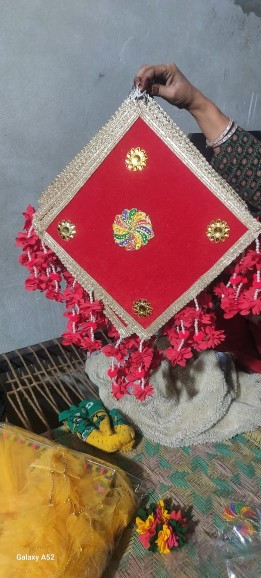
Mirror-work, often associated with the textile traditions of Kutch and other parts of Gujarat, adds sparkle and visual interest to fabric surfaces.
Small reflective pieces are incorporated into embroidery to create decorative patterns. Depending on the design, these patterns may include circles, flowers, diamonds, or geometric arrangements.
Mirror-work is especially appealing for festive décor because it interacts with light and adds texture to a space.
Creative ways to use mirror-work inspiration:
- Hang a decorative textile in an entryway.
- Use mirror-work cushions to introduce color into a living room.
- Incorporate embroidered fabric into a wedding seating backdrop.
- Combine reflective details with warm lighting.
- Style traditional textiles alongside artificial flowers for a festive display.
For a balanced look, pair mirror-work with simpler fabrics and understated furniture.
If you are planning a wedding or celebration, you can also explore decorative hanging elements, artificial flower arrangements, and stage accessories from Maryam Handicraft to complement a colorful textile theme.
C. Bandhani Tie-Dye Textiles
Bandhani is a traditional Indian tie-dye technique closely associated with Gujarat and Rajasthan. In Bandhani, portions of fabric are tied before dyeing to create distinctive patterns when the ties are removed.
Gujarati Bandhani textiles are admired for their dotted patterns, vibrant colors, and festive appeal.
The finished designs vary according to the fabric, dyeing process, pattern, and regional tradition.
Bandhani-inspired decorating ideas:
- Use a colorful Bandhani textile as a decorative table accent.
- Introduce traditional prints through cushions or fabric accessories.
- Pair a red or yellow textile with cream-colored décor.
- Use Bandhani colors as inspiration for wedding flower arrangements.
- Combine patterned fabrics with neutral backgrounds for a contemporary look.
Bandhani-inspired colors can also help establish a coordinated palette for a celebration.
For example, a red, yellow, and cream palette can create a warm festive atmosphere, while indigo and white can provide a calmer, more understated appearance.
D. Patola Textiles
Patola textiles from Patan are celebrated for their elaborate patterns and complex double-ikat weaving tradition.
The designs often feature geometric arrangements, floral forms, and other carefully planned motifs. Traditional Patola weaving requires specialized knowledge and considerable skill.
Because of their artistic complexity and cultural significance, Patola textiles are often appreciated as distinctive textile pieces rather than ordinary decorative fabrics.
How to incorporate Patola-inspired designs:
- Display a textile in a carefully chosen frame.
- Use its colors as inspiration for a room's accent palette.
- Pair geometric textile patterns with simple furniture.
- Create a culturally inspired gift arrangement around a textile accessory.
- Use complementary decorative objects rather than introducing too many competing patterns.
Authentic Patola textiles and Patola-inspired products are not necessarily the same. When purchasing a piece, check its origin, construction, and product description.
E. Traditional Gujarati Beadwork
Beadwork is another decorative tradition associated with Gujarat. Artisans use beads to create colorful patterns on textiles and other decorative objects.
Depending on the item, beadwork can introduce texture, reflective details, and intricate geometric or floral designs.
Beaded decorative pieces can be useful for festive displays, culturally inspired interiors, and handcrafted gift arrangements.
Styling suggestions:
- Combine beaded accents with plain textiles.
- Display smaller pieces on a shelf or console.
- Use beadwork-inspired colors when planning a festive table.
- Pair decorative beads with wooden or woven accessories.
- Coordinate the colors with flowers and other decorative elements.
When purchasing beadwork, examine the finishing and attachment of the beads, especially if the piece will be handled frequently.
F. Traditional Wooden Handicrafts
Woodworking is an important part of India's broader handicraft heritage, and Gujarat offers a variety of traditional wooden decorative objects and furniture traditions.
Wooden objects can introduce warmth, natural texture, and a sense of craftsmanship into interior spaces.
Depending on the object, decorative woodwork may feature carved details, painted surfaces, geometric patterns, or traditional motifs.
Wooden décor ideas:
- Use a carved wooden panel as a focal point.
- Display small decorative wooden objects on shelves.
- Combine wooden accessories with embroidered textiles.
- Use a wooden console as a base for artificial flowers.
- Add traditional accents to an entryway or living room.
Wood also works well in contemporary interiors because its natural appearance can balance bright textiles and reflective decorative details.
If you prefer a modern look, select one or two wooden accents and combine them with neutral colors, clean lines, and restrained accessories.
G. Gujarati Pottery and Clay Crafts
Pottery and clay-based crafts are part of the wider handicraft traditions found across Gujarat and India.
Depending on the region and artisan practice, clay objects may be shaped for practical use, decorative purposes, or ceremonial settings.
Decorative pottery can add an earthy quality to interiors, particularly when combined with natural fibers, wood, and muted colors.
Ideas for displaying clay décor:
- Place a decorative pot on a console table.
- Arrange clay objects on an open shelf.
- Combine earthy pottery with artificial greenery.
- Use traditional-looking vessels as part of a festive display.
- Pair terracotta-inspired colors with cream, beige, and brown.
If you use decorative vessels with artificial flowers, choose arrangements that suit the vessel's proportions. A very large arrangement can overwhelm a small pot, while a small arrangement may look lost in a large container.
H. Traditional Metal Crafts
Metalworking is another part of Gujarat's wider craft landscape. Metal objects can range from practical household pieces to ornamental accessories and decorative objects.
Depending on their finish and design, metal accents may complement traditional Indian interiors, contemporary homes, and festive arrangements.
Ways to use metal décor:
- Display a decorative metal object on a wooden console.
- Pair brass-toned accents with cream and maroon textiles.
- Use metal accessories to introduce contrast into a floral arrangement.
- Combine simple metal shapes with traditional embroidery.
- Create a coordinated decorative display using different textures.
When combining several metal objects, try to keep their finishes reasonably consistent. A coordinated group generally looks more intentional than a collection of unrelated finishes.
3. Gujarat Handicrafts for Modern Home Décor
Traditional handicrafts do not have to be limited to traditional interiors. Their colors, patterns, and textures can work beautifully in contemporary homes when they are introduced thoughtfully.
The key is to select a few distinctive pieces and allow them to stand out.
Living Room Decoration
The living room is often the easiest place to introduce handcrafted décor.
Consider using:
- Embroidered cushions.
- A colorful textile wall hanging.
- Decorative wooden objects.
- Handmade-looking pottery.
- Artificial flower arrangements.
- Traditional patterned accessories.
A neutral sofa can provide a simple background for colorful cushions or textiles.
For a more contemporary look, choose one dominant accent color and repeat it in two or three decorative elements.
For example, a room featuring cream walls and wooden furniture could incorporate blue textile accents, a small decorative vessel, and a complementary artificial flower arrangement.
Bedroom Styling
Bedrooms usually benefit from a calmer approach to traditional patterns.
Instead of covering every surface with colorful décor, choose a small number of coordinated accessories.
You could use an embroidered cushion, a decorative textile, or a small handcrafted object on a bedside table.
Soft colors, natural textures, and restrained patterns can help create a relaxing atmosphere while preserving the character of traditional craftsmanship.
Entryway Decoration
An entryway provides an opportunity to introduce your home's decorative style before visitors enter the main living area.
A wooden console, a decorative vessel, a textile accent, and a small artificial flower arrangement can create a welcoming display.
For a Gujarati-inspired theme, consider warm colors, geometric patterns, and natural textures.
Keep the arrangement proportionate to the available space and avoid obstructing doors or walkways.
Festive Home Styling
Festivals and family celebrations are ideal occasions for colorful decorative arrangements.
Traditional textiles can be combined with decorative lights, artificial flowers, hanging ornaments, and other accessories to create a coordinated festive look.
For example:
- Use warm-colored textiles as a visual accent.
- Arrange artificial flowers around a decorative display.
- Introduce reflective elements to complement the lighting.
- Coordinate the colors of cushions, table accessories, and hanging decorations.
- Keep the main display uncluttered so individual decorative pieces remain visible.
Maryam Handicraft offers a relevant range of decorative product categories to explore when planning home styling and festive arrangements. Check the website for current products and details.
4. Gujarat Handicrafts for Weddings and Events
Gujarati handicrafts can also inspire wedding décor, engagement celebrations, traditional ceremonies, and cultural events.
Their vivid colors, detailed patterns, and varied textures can help create an atmosphere that feels festive and visually distinctive.
The most successful arrangements usually combine a clear color palette with a few carefully chosen focal elements.
Wedding Stage Decoration
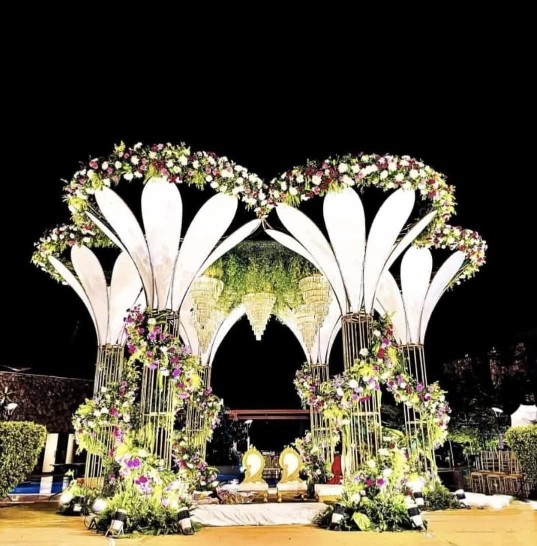
A wedding stage can incorporate traditional textile patterns alongside floral arrangements and decorative structures.
For example, a colorful backdrop inspired by Kutchi embroidery could be paired with artificial flowers in complementary shades.
For a balanced design:
- Choose a primary color palette.
- Decide which decorative element will be the focal point.
- Use textiles or patterned panels to introduce regional inspiration.
- Add flowers to soften the overall arrangement.
- Use lighting to highlight important decorative details.
- Avoid introducing too many unrelated colors or patterns.
Maryam Handicraft's stage decoration, artificial flower, hanging decoration, and decorative lighting categories may be useful starting points when planning a coordinated event theme.
Haldi and Mehndi Decoration
Haldi and mehndi celebrations often feature vibrant colors, floral arrangements, and playful decorative elements.
Yellow, orange, green, pink, and other bright shades can be combined with textile-inspired patterns to create a festive setting.
Ideas include:
- A yellow-and-white floral backdrop.
- Colorful fabric panels.
- Artificial flower garlands.
- Decorative hanging elements.
- Coordinated seating accents.
- Traditional-pattern-inspired table styling.
The goal is to create a consistent visual theme rather than filling every available space with decorations.
Cultural Events and Community Celebrations
For cultural programs, exhibitions, and community events, Gujarat's textile and craft traditions can provide a strong visual theme.
Decorative displays may include textiles, wooden objects, pottery, and other craft-inspired accessories.
If you are creating an exhibition or themed event, consider including short descriptions that explain the origin and artistic significance of the objects being displayed.
This helps visitors appreciate the craftsmanship rather than viewing the objects only as decoration.
5. Handicraft Gift Ideas Inspired by Gujarat
Handcrafted gifts can feel distinctive because they often reflect a particular artistic tradition, material, or decorative style.
Gujarati craft traditions offer inspiration for birthdays, housewarmings, weddings, festive occasions, and gifts for people who appreciate Indian art.
Here are some ideas to consider.
Textile Gifts
Traditional embroidered accessories and Bandhani-inspired textiles can be thoughtful options for people who enjoy colorful fabrics.
Before purchasing, consider the recipient's preferred colors, intended use, and maintenance requirements.
Decorative Wooden Objects
Small decorative wooden pieces can suit housewarming gifts and festive gift arrangements.
Look for a design that complements the recipient's home rather than choosing an object solely because it is ornate.
Pottery and Decorative Vessels
Decorative vessels can be suitable for people who appreciate earthy materials and handcrafted-looking interiors.
Check whether the piece is intended for decoration, food use, or another purpose.
Handcrafted-Style Home Décor
Decorative flowers, hanging ornaments, decorative lighting, and other home accessories can complement a gift inspired by Indian craftsmanship.
Maryam Handicraft specializes in decorative products and artificial flowers, making its relevant product categories worth exploring when assembling a coordinated gift or celebration arrangement.
How to Choose a Thoughtful Handicraft Gift
Use this simple checklist:
- Consider the recipient's interests.
- Choose colors that suit their personal style.
- Check the product's materials and dimensions.
- Review care instructions.
- Consider packaging and transport.
- Verify the seller's description and the item's origin.
- Avoid describing a product as handmade or originating from a particular region unless that information is supported.
A thoughtful gift does not have to be elaborate. A well-selected decorative piece can be meaningful when it suits the recipient's taste and needs.
6. How to Choose Quality Gujarat Handicrafts
When purchasing handicrafts, appearance is only one factor to consider. Construction, materials, finishing, intended use, and authenticity can also influence whether an item is suitable for your needs.
Check the Materials
Read the product description to understand whether the item is made from cotton, silk, wood, clay, metal, synthetic fibers, or a combination of materials.
Material information is especially important when buying textiles, decorative vessels, and products intended for regular handling.
Examine the Finishing
For textile pieces, inspect the stitching, pattern consistency, and edges when possible.
For wooden products, look at the finishing and the consistency of decorative details.
For decorative items with beads, mirrors, or attached ornaments, check whether the components appear securely fitted.
The appropriate standard depends on the type of product and its intended use.
Understand Handmade Variations
Handcrafted products may contain small variations in color, pattern, dimensions, or finishing.
Such variations can be a normal part of some traditional craft processes. However, buyers should still check the seller's description to understand what to expect.
Verify Regional Authenticity
A product inspired by Gujarat's artistic traditions is not necessarily made in Gujarat.
If regional origin matters to you, look for clear information about where the item was produced and how it was made.
For specialized textile traditions such as Patola, understanding the difference between an authentic traditional product and a modern interpretation is particularly important.
Compare Price and Value
The price of a handicraft can depend on its materials, size, construction, design complexity, and production process.
Compare products with similar specifications rather than relying on appearance alone.
Also consider shipping costs, packaging, return policies, and the intended lifespan of the product.
Consider the Intended Use
A decorative piece for a shelf may have different requirements from an item intended for a wedding stage or frequently used living space.
For event decorations, consider the venue, installation method, transport, storage, and the time needed to set up the arrangement.
A product that looks attractive in a photograph may not be appropriate for every space or purpose.
7. How to Maintain Handcrafted Decorative Products
Proper care can help preserve the appearance of many decorative items. However, care requirements vary according to their materials and construction.
Caring for Embroidered Textiles
- Follow the care instructions supplied with the product.
- Avoid harsh cleaning methods unless specifically recommended.
- Store textiles in a clean, dry place.
- Protect delicate embroidery and attached decorative elements from snagging.
- Keep textiles away from prolonged direct sunlight when possible.
Some embroidered pieces require specialized cleaning, so check the item's care instructions before washing.
Caring for Wooden Décor
- Remove dust with a soft, suitable cloth.
- Avoid excessive moisture unless the finish is designed to tolerate it.
- Keep the item away from conditions that may damage its surface.
- Follow the manufacturer's guidance for cleaning and polishing.
Different wood finishes require different care methods.
Caring for Clay and Pottery
- Check whether the item is glazed or unglazed.
- Use cleaning methods appropriate to the material.
- Handle fragile pieces carefully.
- Avoid assuming a decorative vessel is suitable for water or food use without confirmation.
Caring for Artificial Flowers and Decorative Arrangements
Artificial flowers can be useful for long-lasting decorative displays, but their maintenance depends on the materials used.
To maintain their appearance:
- Remove dust gently.
- Follow any specific cleaning instructions.
- Store unused arrangements in a clean, dry place.
- Avoid exposing materials to excessive heat or sunlight when this may cause fading or damage.
- Check the construction before moving large arrangements.
If artificial flowers are used alongside traditional textiles or wooden accessories, clean each material according to its own requirements.
8. Combining Gujarati Craft Inspiration with Artificial Flowers
Artificial flowers offer flexibility when planning home décor, wedding stages, festive displays, and event backdrops.
Their colors can be coordinated with textile patterns and other decorative accents without requiring the use of fresh flowers.
For a Gujarat-inspired decorative theme, consider these combinations.
Traditional and Colorful
Combine bright artificial flowers with colorful textile-inspired accents.
This approach can work well for festive displays, cultural celebrations, and wedding decorations.
Neutral and Elegant
Use cream, white, or soft-colored flowers with wooden accessories and understated textile patterns.
This style can suit contemporary homes, reception areas, and elegant event backdrops.
Festive Red and Gold
Combine red flowers, gold-toned decorative elements, and complementary fabric accents.
Use the strongest colors around the main focal point and keep surrounding areas simpler.
Earthy and Natural
Pair artificial greenery with wood-inspired décor, pottery, and neutral fabrics.
This combination creates a more restrained interpretation of traditional craftsmanship.
Contemporary Fusion
Select one traditional textile pattern and combine it with modern decorative structures, simple lighting, and coordinated artificial flowers.
This allows the traditional pattern to remain distinctive without making the entire arrangement look overly busy.
When planning a display, consider the size of the venue, the distance from which people will view the arrangement, and the lighting conditions.
These factors can influence how well decorative details appear in person and in photographs.
9. Gujarat Handicrafts and the Future of Traditional Décor
Traditional handicrafts continue to offer inspiration for contemporary design because they provide patterns, textures, and artistic ideas that are difficult to replicate through purely minimalist styling.
At the same time, buyers increasingly encounter products that combine traditional visual influences with modern manufacturing methods.
This creates opportunities to incorporate craft-inspired aesthetics into different settings, including homes, hospitality spaces, retail displays, and event venues.
However, it is important to distinguish between preserving a traditional craft and using its appearance as design inspiration.
Authentic artisan-made products, contemporary interpretations, and mass-produced decorative products can all have different purposes and values.
Consumers can make more informed choices by checking product descriptions, asking about materials and origin, and supporting artisans or responsible sellers when appropriate.
For designers and event planners, Gujarat's craft traditions offer a broad source of inspiration for color combinations, textile arrangements, decorative motifs, and coordinated styling.
10. Where to Explore Handicraft and Decorative Products
If you are planning a home makeover, festive display, wedding stage, or decorative gift arrangement, start by identifying the overall look you want to create.
Then choose products that support that theme.
For example, you may want to explore:
- Artificial flowers for table arrangements and decorative backdrops.
- Decorative hanging products for festive interiors.
- Stage decoration accessories for weddings and events.
- Decorative lighting for coordinated event styling.
- Home décor accessories for shelves, consoles, and display areas.
- Gift-worthy decorative products for celebrations and special occasions.
At Maryam Handicraft, our focus includes handcrafted products, artificial fiber flowers, decorative items, wedding decorations, home décor, and gifting products.
You can explore the available collections on the Maryam Handicraft website at https://maryamhandicraft.in/.
When selecting products, check the current listing for materials, dimensions, pricing, shipping information, and intended use.
If you are planning an event, consider selecting complementary items together so that the colors, shapes, and finishes work as a coordinated arrangement.
Frequently Asked Questions About Gujarat Handicrafts
1. What are the most famous handicrafts of Gujarat?
Gujarat is known for several craft traditions, including Kutchi embroidery, Bandhani tie-dye textiles, Patola weaving from Patan, mirror-work, beadwork, and various forms of decorative woodworking, pottery, and metalwork.
The techniques and materials differ according to the region and artistic tradition.
2. What is special about Kutchi embroidery?
Kutchi embroidery is known for its intricate stitching, colorful patterns, and the use of decorative details that may include mirrors.
Different communities and regional traditions use distinct embroidery styles, patterns, and techniques.
3. What is Bandhani in Gujarat?
Bandhani is a traditional tie-dye technique in which small portions of fabric are tied before dyeing to create distinctive patterns.
Gujarati Bandhani textiles are appreciated for their colorful appearance and their use in traditional clothing and other textile applications.
4. Which Gujarat handicrafts are suitable for home décor?
Embroidered textiles, decorative wooden objects, pottery, beadwork, and craft-inspired accessories can all be used in home décor.
The best choice depends on your interior style, available space, preferred colors, and intended use.
5. How can Gujarat handicrafts be used for wedding decoration?
Gujarati craft traditions can inspire colorful stage backdrops, textile accents, festive seating arrangements, and coordinated decorative displays.
Pairing textile-inspired patterns with artificial flowers and suitable lighting can help create a distinctive wedding theme.
6. Are Gujarat-inspired handicrafts suitable for gifting?
Yes. Decorative textiles, wooden objects, pottery, and other craft-inspired products can make thoughtful gifts for housewarmings, weddings, festivals, and birthdays.
Check the item's materials, dimensions, care instructions, and origin before purchasing.
7. How can I identify authentic Gujarati handicrafts?
Look for clear information about the item's origin, materials, production technique, and maker when available.
A product featuring Gujarati-inspired patterns is not automatically made in Gujarat. For specialized traditions such as Patola weaving, verify the seller's description and supporting details.
8. Where can I find decorative products for weddings and home styling?
You can explore the available artificial flowers, decorative products, wedding decoration accessories, and home décor collections at Maryam Handicraft.
Visit https://maryamhandicraft.in/ to review current product listings, .
Conclusion: Celebrate the Beauty of Gujarat Handicrafts
Gujarat handicrafts represent a rich variety of artistic traditions, from the intricate embroidery of Kutch to the distinctive patterns of Bandhani textiles and Patola weaving.
These crafts offer inspiration for home decoration, wedding styling, festive displays, and thoughtful gifts.
By understanding the characteristics of different craft traditions, checking product details, and choosing complementary colors and textures, you can bring traditional Indian design influences into contemporary spaces.
Whether you prefer colorful textiles, natural wooden accents, decorative pottery, or elegant floral arrangements, there are many ways to create a space that reflects your personal style.
At Maryam Handicraft, we bring together decorative product categories that can help you explore ideas for your home, wedding, event, or gifting needs.
Visit Maryam Handicraft at https://maryamhandicraft.in/ to discover available decorative products and find inspiration for your next styling project.
Bring your creative ideas to life with thoughtfully selected décor inspired by the beauty of Indian craftsmanship.