Famous Arts and Crafts of Gujarat: A Guide to Traditional Art
Gujarat is one of India's most fascinating destinations for traditional art, colourful textiles, intricate embroidery, and handcrafted decorative objects. From the vibrant markets of Kutch to the historic weaving traditions of Patan, the state's artistic heritage reflects generations of creativity, cultural exchange, and skilled craftsmanship.
The famous arts and crafts of Gujarat are admired for their distinctive patterns, rich colours, detailed workmanship, and cultural significance. Traditional techniques such as Bandhani tie-dye, Patola weaving, Kutch embroidery, Rogan painting, and clay pottery continue to inspire designers, collectors, home décor enthusiasts, and people searching for meaningful gifts.
These crafts are more than decorative products. They represent the knowledge and creativity of artisans who preserve traditional skills while adapting their work to changing lifestyles and modern design preferences.
For homeowners, event planners, wedding decorators, and handicraft lovers, Gujarat offers plenty of inspiration. Traditional textiles can add colour to a living room, embroidered accents can enrich festive displays, and handcrafted objects can bring personality to contemporary interiors.
In this guide, we explore Gujarat's most famous traditional crafts, their distinctive features, and practical ways to incorporate Gujarati-inspired designs into your home, celebrations, and gifting choices.
1. Bandhani: The Colourful Art of Tie-Dye
Bandhani is one of Gujarat's best-known textile traditions. The word refers to a tie-dye process in which sections of fabric are tied tightly before dyeing, creating distinctive patterns when the ties are removed.
This technique produces dots, circles, waves, and more elaborate arrangements. Depending on the design, the finished fabric may display small repeated motifs or intricate patterns spread across the material.
What makes Bandhani special?
Bandhani is valued for its vibrant colours and the detailed work involved in producing its patterns. Red, yellow, green, blue, and other bright shades are commonly associated with traditional Gujarati textiles.
The craft is particularly associated with Kutch and Jamnagar, although regional styles and designs vary.
Bandhani is widely used for:
- Sarees and dupattas
- Traditional festive clothing
- Decorative scarves and fabric accessories
- Cushion covers and selected textile accents
- Gifts inspired by Indian cultural traditions
How to use Bandhani-inspired designs at home
You do not need to redesign an entire room to enjoy the beauty of traditional Gujarati textiles.
Try these ideas:
- Add colourful cushions to a neutral sofa.
- Use a decorative textile as a table accent.
- Combine patterned fabric with simple wooden furniture.
- Introduce small Bandhani-inspired details into festive displays.
- Pair colourful textiles with understated ceramic or metal accessories.
The key is balance. When a textile features strong colours and busy patterns, simpler surrounding décor can help it stand out.
2. Patola: The Heritage of Intricate Double Ikat Weaving
Patola weaving is among Gujarat's most distinctive textile traditions. It is especially associated with Patan, a historic city known for its elaborate silk weaving heritage.
Traditional Patola textiles are famous for their complex geometric and floral patterns. In double ikat weaving, both the warp and weft threads are carefully dyed according to a planned design before weaving begins. The alignment of these threads requires exceptional precision.
Why is Patola weaving admired?
Patola designs can feature repeating geometric shapes, flowers, parrots, elephants, and other traditional motifs. Their balanced arrangements and rich colours give the finished textiles a distinctive appearance.
The process involves considerable planning and skill. Even small design decisions must be coordinated across the threads to achieve the intended pattern.
Patola-inspired home décor ideas
Authentic Patola textiles are often valued as heritage pieces, but their visual language can inspire many kinds of interiors.
Consider:
- Framing a small textile piece as a decorative accent.
- Using geometric patterns in cushion or upholstery designs.
- Combining rich textile colours with understated furniture.
- Choosing coordinated accessories that echo traditional motifs.
- Creating a festive display inspired by Gujarati colours and patterns.
For a sophisticated look, use Patola-inspired patterns selectively rather than placing several competing designs in one space.
3. Kutch Embroidery: Detailed Needlework and Mirror Accents
Kutch, a region in Gujarat, is celebrated for its diverse embroidery traditions. Different communities have developed distinctive styles using colourful threads, geometric motifs, decorative stitching, and, in some styles, small mirrors.
Kutch embroidery is visually striking because it combines intricate detail with strong colour contrasts. Floral shapes, diamonds, repeated lines, and symmetrical arrangements appear in many designs.
The exact techniques and motifs vary between communities and regional traditions.
Common products featuring Kutch embroidery
Traditional embroidery can be found on:
- Wall hangings
- Bags and accessories
- Garments and dupattas
- Cushion covers
- Decorative textile panels
- Selected festive and wedding accessories
Mirror work is especially recognisable in many Gujarati decorative traditions. Its reflective details catch the light and bring extra visual interest to a textile.
Decorating with embroidered accents
Kutch-inspired embroidery works well in interiors that celebrate colour, texture, and handmade detail.
For a living room, embroidered cushions can add personality to a plain sofa. In an entryway, a textile wall hanging can become a focal point. For festive occasions, embroidered fabric can complement flowers, decorative lighting, and traditional accessories.
For event planners, the combination of bright textiles, floral arrangements, and reflective accents can inspire colourful welcome areas, photo backdrops, and celebration spaces.
To maintain visual harmony, choose one or two dominant colours from the embroidery and repeat them in nearby decorative elements.
4. Rogan Art: Gujarat's Remarkable Fabric Painting Tradition
Rogan art is a distinctive form of fabric painting associated with Nirona village in Kutch, Gujarat. It is known for its elaborate decorative patterns and the unusual technique used to create them.
Traditionally, artists prepare a thick, coloured medium from castor oil and pigments. Using a small tool, they manipulate the material into fine lines and motifs on fabric. The process requires a steady hand, considerable patience, and a strong understanding of decorative composition.
What makes Rogan art unique?
Rogan paintings often feature flowers, leaves, geometric arrangements, and tree-of-life motifs. The designs can be exceptionally detailed, with carefully balanced shapes and flowing lines.
The craft is especially interesting because the design is created by manipulating the painting medium rather than simply applying ordinary brushstrokes.
Rogan art has traditionally been associated with fabric items such as decorative panels and garments. Today, its distinctive visual language also attracts people interested in Indian folk art and contemporary interiors.
How to decorate with Rogan-inspired art
Rogan-inspired designs can work beautifully in:
- Art displays and decorative panels
- Traditional living room interiors
- Cultural exhibition spaces
- Boutique and hospitality interiors
- Thoughtfully selected gifts for art enthusiasts
A single framed piece can create a focal point without overwhelming a room. Pair intricate patterns with neutral walls, simple furniture, and restrained accessories.
Buying tip: If you want an authentic Rogan artwork, ask the seller about its origin, the artist or workshop, the technique used, and whether the piece is handmade. A printed design inspired by Rogan art can also be decorative, but it should not be represented as an original hand-painted work.
5. Gujarati Wood Carving: Traditional Craftsmanship in Decorative Details
Wood carving is an important part of Gujarat's architectural and decorative heritage. Traditional houses, historic buildings, and carved wooden architectural elements demonstrate how artisans have transformed wood into intricate patterns and functional objects.
In parts of Gujarat, particularly in historic urban areas, carved wooden doors, brackets, columns, balconies, and decorative façades reflect regional craftsmanship.
The designs may include flowers, vines, geometric patterns, birds, and other decorative motifs.
Where can you see Gujarati wood carving?
Traditional carved woodwork can be seen in historic buildings and havelis, particularly in Ahmedabad and other areas with a rich architectural heritage.
These details demonstrate how decoration can become part of a building's structure rather than simply being added as a finishing touch.
Modern home décor inspired by carved wood
Carved wood can bring warmth and texture to contemporary spaces.
Ideas include:
- Decorative wooden wall panels
- Carved frames around mirrors
- Traditional-style wooden screens
- Decorative furniture details
- Wooden trays and display accessories
- Carved elements in an Indian-inspired entrance
For modern interiors, combine carved wood with plain walls and simple furnishings. This approach lets the craftsmanship remain the centre of attention.
When purchasing wooden décor, consider its dimensions, finish, intended placement, and care requirements. If a product is described as handmade or made from a particular type of wood, confirm those details with the seller.
6. Gujarati Pottery and Terracotta Crafts
Pottery and clay crafts are part of Gujarat's wider artisan heritage. Depending on the community and location, craftspeople create everyday vessels, decorative objects, clay figures, and other handmade items.
Terracotta is particularly appealing to home décor enthusiasts because its earthy colour and natural texture complement many interior styles.
Unlike highly polished decorative objects, terracotta pieces often have a simple, organic appearance. This makes them suitable for rustic, traditional, bohemian, and contemporary spaces.
Popular pottery and clay décor ideas
Clay and terracotta objects can be used as:
- Decorative planters
- Tabletop accessories
- Display vessels
- Wall-mounted decorative pieces
- Festive arrangements
- Gifts for people who appreciate handmade décor
The suitability of a piece depends on how it was made. A decorative clay pot, for example, should not automatically be assumed to be waterproof or suitable for holding food.
How to style terracotta at home
For an earthy look, combine terracotta pots with wooden furniture, woven baskets, natural-coloured fabrics, and green plants.
For festive décor, arrange clay vessels with artificial flowers, traditional lamps, and complementary textiles. This combination can create a warm display without requiring extensive changes to the room.
For a more contemporary style, use a small number of terracotta objects against a cream, beige, or light-coloured background.
7. Gujarati Beadwork and Decorative Embellishments
Beadwork is another decorative tradition associated with Gujarati craft practices. Depending on the technique, small beads may be arranged into colourful patterns, stitched onto fabric, or incorporated into accessories and decorative objects.
Beadwork is valued for the colour, texture, and dimensional detail it brings to a finished piece.
How beadwork is used
Decorative beadwork may appear in:
- Traditional accessories
- Embellished textiles
- Bags and small decorative objects
- Festive ornaments
- Decorative hangings
- Selected wedding and celebration accessories
The exact style depends on the craft tradition and the materials used.
Beadwork-inspired styling ideas
For home décor, use beadwork as a colourful accent rather than allowing it to compete with every other decorative element.
A beaded hanging can complement a simple entrance display, while a small embellished accessory can add interest to a festive table.
Beaded details also work well alongside flowers, fabric draping, and decorative lights when planning .
8. Ajrakh Block Printing: Patterns Rooted in Tradition
Ajrakh is a traditional block-printing textile art associated with Kutch and the wider cultural region shared by parts of Gujarat and neighbouring Sindh.
The craft is recognised for its intricate geometric patterns, repeating motifs, and characteristic combinations of colours such as indigo, red, black, and white. Traditional production can involve multiple stages of printing, dyeing, and fabric preparation.
The careful alignment of printed blocks is essential to producing a balanced design.
What makes Ajrakh textiles distinctive?
Ajrakh patterns frequently use symmetry and repetition. Small shapes come together to create elaborate designs that look detailed from close up and visually balanced from a distance.
The finished fabric may be used for clothing, scarves, and other textile products.
Using Ajrakh-inspired patterns in interiors
Ajrakh designs can bring depth and pattern to:
- Cushion covers
- Table runners
- Decorative fabric panels
- Bedside accents
- Upholstery details
- Textile-inspired wall art
Because Ajrakh patterns are often intricate, they pair well with plain fabrics and understated furniture.
For example, indigo-patterned cushions can add character to a cream sofa, while a small printed textile can provide a traditional accent in an otherwise modern room.
When shopping, check whether a textile is hand block-printed, digitally printed, or produced using another process. Each can serve a different purpose, but the production method should be described accurately.
9. Gujarati Jewellery and Decorative Metalwork
Gujarat's decorative heritage also includes jewellery and metalwork. Traditional jewellery designs vary by region and community, while metal objects can range from functional household items to decorative pieces.
Ornamental details, repeated patterns, engraved surfaces, and carefully shaped forms are common features across many Indian metalworking traditions.
Jewellery as a cultural craft
Traditional jewellery can reflect regional identity, festive customs, and individual artistic preferences. Depending on the design, it may incorporate metal, beads, stones, or other decorative elements.
Jewellery inspired by Gujarati traditions can make a meaningful gift for someone interested in Indian textiles, folk art, or cultural accessories.
Decorative metalwork for homes and events
Metal décor can complement both traditional and modern interiors.
Consider using:
- Decorative trays
- Traditional-style candleholders
- Metal bowls and vessels
- Decorative lamps and diyas
- Ornamental table accessories
- Metal accents in festive displays
For weddings and cultural celebrations, metal vessels can be paired with flowers, textiles, and soft lighting to create a welcoming display.
When choosing metal décor, consider the finish, weight, cleaning instructions, and intended use. Do not assume that an ornamental object is suitable for food, direct flame, or outdoor placement unless the seller confirms it.
10. Mata ni Pachedi: Sacred Textile Art of Gujarat
Mata ni Pachedi is a distinctive textile tradition associated with Gujarat, particularly communities around Ahmedabad.
The name refers to a cloth associated with the worship of the Mother Goddess. Traditional examples feature narrative and devotional imagery, with the goddess often occupying a central position surrounded by figures, animals, and other symbolic elements.
Historically, these textiles have served religious and ceremonial purposes. Their compositions can also reveal the storytelling skills and artistic traditions of the communities that produce them.
What makes Mata ni Pachedi special?
The art combines textile knowledge, carefully arranged figures, and religious storytelling. Traditional examples are valued for their cultural context as well as their visual appeal.
Because of this significance, it is important to understand the purpose and background of a piece rather than treating every example as an ordinary decorative print.
Displaying traditional textile art respectfully
If you collect Mata ni Pachedi or similar devotional art, consider its cultural meaning and the context in which it was made.
A suitable display area should allow the artwork to be appreciated without crowding it with unrelated objects. Avoid direct sunlight and follow the care guidance supplied by the artist or seller.
For people who appreciate Indian folk art, learning about the story behind a textile can make it more meaningful than choosing an object based only on its colour or pattern.
11. Gujarati Textile Dolls and Folk-Inspired Decorative Crafts
Traditional Indian folk art includes many forms of handmade dolls, figures, and decorative objects. In Gujarat, colourful textiles, embroidery, regional clothing, and folk motifs provide inspiration for a variety of craft products.
These objects appeal to people who enjoy collecting handmade decorations or creating interiors that reflect Indian cultural traditions.
How to use folk-inspired decorative pieces
Decorative figures can be used to:
- Add character to shelves and display cabinets.
- Create a colourful corner in a living room.
- Decorate a cultural exhibition or themed event.
- Build a collection of regional Indian craft objects.
- Give a thoughtful gift to someone interested in folk art.
For a balanced display, group objects of different heights together and leave enough space around each piece. A simple wooden shelf or neutral background can help colourful handmade decorations stand out.
When buying regional craft objects, ask about the place of origin and production technique if authenticity is important to you.
12. Traditional Gujarati Decorative Textiles and Wall Hangings
Textiles have an important place in Gujarati decorative traditions. Embroidered panels, patterned fabrics, and other textile-based objects can transform a plain wall into a colourful focal point.
Traditional textiles often feature repeated patterns, floral motifs, geometric shapes, and contrasting colours. These details can inspire contemporary decorative products even when the finished item is designed for modern homes.
Choosing the right textile wall décor
Before buying a wall hanging, consider the following:
Size: A large wall may need a substantial textile or a coordinated group of smaller pieces. A compact hanging may work better in a narrow hallway.
Colour: Select colours that complement the room's existing furniture and accessories.
Pattern: Highly detailed textiles work well as focal points. If the room already contains patterned upholstery, choose a design that does not compete with it.
Placement: Avoid areas where the textile may be exposed to excessive moisture, dust, or direct sunlight.
Maintenance: Check the recommended cleaning method, especially if the piece includes embroidery, mirrors, beads, or delicate embellishments.
Textile wall décor is also useful for event styling. A colourful panel can serve as a background for a welcome table, a cultural celebration, or a traditional photo area.
13. How Gujarat's Traditional Crafts Inspire Modern Home Décor
Gujarat's craft traditions offer a wide range of ideas for modern interior design. You can enjoy their influence without making your entire home look traditionally styled.
The most effective approach is to combine distinctive craft-inspired elements with practical furniture, comfortable layouts, and colours that suit your space.
Create a Gujarati-inspired living room
Start with a neutral sofa or seating arrangement. Introduce colourful cushions inspired by Bandhani, Ajrakh, or Kutch embroidery.
Add a carved wooden accent, a terracotta decorative object, or a metal accessory to introduce different textures.
Artificial flowers can provide a complementary finishing touch. For example, a floral arrangement in a decorative vase can bring softness to a display that also includes wood, fabric, and metal.
Keep the arrangement simple enough that each element remains visible.
Decorate an entrance with traditional accents
An entrance provides an opportunity to introduce Indian-inspired decoration without making major changes to the rest of the home.
Consider a combination of:
- A decorative mirror or wall hanging
- Artificial flower arrangements
- A traditional-style metal or ceramic vessel
- A wooden accent or small display table
- Decorative lighting appropriate for the space
Choose a limited colour palette so that the arrangement feels coordinated rather than crowded.
Use Gujarati-inspired details for festive décor
Festivals provide an opportunity to bring together colourful textiles, flowers, lighting, and traditional decorative objects.
For a festive table, use a patterned runner, a flower arrangement, and a few carefully selected accessories. For a larger display, combine fabric draping with artificial flowers and complementary decorative lighting.
For weddings and other celebrations, Gujarati-inspired patterns can inform the overall colour scheme, welcome area, photo backdrop, or stage decoration.
The aim is not to reproduce every regional craft in a single display. Instead, choose a few elements that work together and suit the occasion.
14. Gujarati-Inspired Wedding and Event Decoration Ideas
Gujarat's colourful textile traditions and decorative motifs can inspire attractive wedding and event settings.
Event planners can draw from the region's palette, patterns, and emphasis on handcrafted detail to create a distinctive look.
Colourful welcome areas
Create a welcoming entrance using a coordinated fabric backdrop, artificial flowers, and decorative accessories.
Bandhani-inspired colours can bring brightness, while embroidered patterns can add texture. A wooden table or traditional-style decorative vessel can provide a practical display surface.
Stage and photo backdrop styling
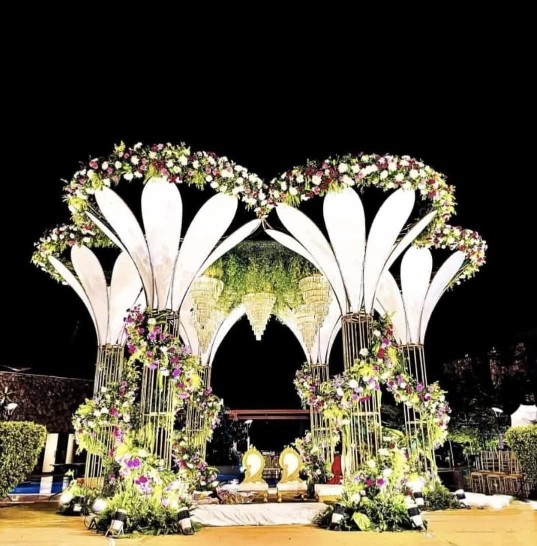
For a wedding stage or photo backdrop, combine patterned fabric with artificial floral arrangements and suitable lighting.
Use a clear visual hierarchy:
- Choose one main backdrop or decorative feature.
- Select flowers and fabric accents that complement it.
- Add a small number of supporting decorative objects.
- Check that the overall arrangement leaves sufficient space for guests and photography.
A busy textile pattern can be balanced with simpler floral arrangements. Conversely, a plain backdrop can accommodate more detailed decorative accents.
Table and venue decoration
Gujarati-inspired styling can also be used for welcome tables, gift displays, and selected venue areas.
Consider decorative vessels, textile accents, flowers, and coordinated table accessories. Keep practical requirements in mind, including table space, guest movement, cleaning, and the safety of lighting installations.
At Maryam Handicraft, customers interested in event styling can explore relevant decorative products, including artificial flowers, hanging decorations, and stage or backdrop décor. Product suitability should be checked against the specific requirements of each event.
15. How to Choose Authentic Gujarati Handicrafts
If you want to buy traditional Gujarati crafts, understanding the difference between a regional craft technique and a product merely inspired by its appearance can help you make a more informed decision.
Not every colourful textile is Bandhani, and not every geometric print is Ajrakh. Likewise, a printed imitation of an embroidered design is different from a textile decorated with hand embroidery.
Use these practical buying considerations.
Check the craft technique
Ask whether the item is handwoven, hand-embroidered, hand-printed, hand-painted, or machine-produced.
A product made using a modern process may still be attractive and useful. The important point is that the description should accurately represent how it was produced.
Understand the place of origin
Some crafts have strong associations with particular places, such as Patola weaving in Patan and Rogan art in Nirona.
If regional authenticity matters to you, ask the seller where the product was made and whether information about the artisan or workshop is available.
Examine the details
For textiles, inspect the pattern, stitching, edges, and finish. For woodwork, look at the carving and surface treatment. For decorative vessels, check the finish and whether the product is suitable for its intended use.
For online purchases, read the product description carefully and review the available photographs.
Choose according to your purpose
A collector looking for traditional art may prioritise provenance and technique. Someone decorating a rental home may prefer lightweight, easy-to-maintain accessories inspired by regional patterns.
For gifts, consider the recipient's interests, the item's intended use, and the care it requires.
Check care instructions
Different materials need different care. Delicate embroidery, printed textiles, terracotta, wood, and metal should not all be cleaned in the same way.
Follow the seller's guidance and avoid assuming that a decorative object is washable, waterproof, or suitable for outdoor use.
16. Gujarati Handicrafts as Thoughtful Gift Ideas
Handcrafted products can make meaningful gifts because they often carry a story about regional culture, artistic technique, or the person who made them.
Gujarati-inspired gifts can suit birthdays, housewarmings, weddings, festivals, and other special occasions.
Here are some ideas to consider.
| Gift ideaWhy it may be suitableWhat to consider | ||
| Bandhani textile accessory | Colourful and connected to a recognised regional tradition | Colour preferences and fabric care |
| Patola textile | Suitable for someone interested in heritage weaving | Authenticity, budget, and intended use |
| Kutch embroidery décor | Adds texture and traditional detail | Embroidery technique and placement |
| Rogan-inspired artwork | Appeals to folk-art enthusiasts | Whether the piece is authentic or inspired by the style |
| Terracotta décor | Suits earthy, rustic interiors | Fragility and maintenance |
| Carved wooden accessory | Adds warmth to a home | Dimensions, finish, and material |
| Decorative metalware | Can complement traditional or contemporary interiors | Finish, weight, and intended use |
| Artificial flower arrangement | Useful for home styling and decorative displays | Size, colour, and placement |
A thoughtful gift does not need to be elaborate. Choose something that reflects the recipient's taste and can be used or displayed comfortably.
For an additional personal touch, pair a decorative object with a handwritten note explaining the craft or design inspiration behind it.
17. How to Care for Gujarati Handicrafts
Proper care can help preserve the appearance of decorative products and traditional craft pieces.
The correct method depends on the material and the maker's recommendations.
Textile crafts
- Store delicate textiles in a clean, dry place.
- Protect them from prolonged direct sunlight.
- Avoid harsh cleaning methods unless the care label specifically allows them.
- Keep embellished fabrics away from objects that may snag the stitching.
- Follow professional cleaning guidance for valuable or delicate pieces.
Wooden crafts
- Remove dust using a soft, suitable cloth.
- Avoid prolonged exposure to moisture.
- Keep decorative wood away from direct heat sources.
- Use cleaning products only when they are suitable for the particular finish.
Terracotta and pottery
- Check whether the piece is intended for indoor or outdoor use.
- Avoid sudden temperature changes where these could damage the material.
- Handle fragile objects carefully.
- Do not assume a decorative vessel is waterproof.
Metal décor
- Follow the manufacturer's instructions for the particular metal and finish.
- Keep pieces dry when recommended.
- Avoid abrasive cleaners that could damage decorative surfaces.
- Check whether the object is suitable for contact with food or use with a flame before using it for those purposes.
Artificial flowers and decorative arrangements
Artificial flowers are useful when you want a floral display without the routine watering required by live plants.
To maintain their appearance, remove dust periodically using a gentle method appropriate for the material. Keep arrangements away from excessive heat and follow any cleaning guidance supplied with the product.
For valuable traditional artwork, seek care advice from the artist or a qualified conservator.
18. Why Traditional Indian Crafts Still Matter Today
Traditional crafts remain relevant because they connect artistic knowledge with everyday life. They also demonstrate how materials, patterns, and techniques can express the identity of a region.
Gujarat's crafts are especially inspiring because they cover many different forms of creativity, including textiles, weaving, embroidery, painting, pottery, woodwork, and decorative objects.
These traditions also offer lessons for modern design.
First, craftsmanship adds character. Detailed patterns and handmade finishes can make a decorative object more distinctive.
Second, traditional colours can inspire contemporary interiors. The bright colours associated with Gujarati textiles can be introduced through small accents rather than an entire room makeover.
Third, different materials create visual interest. Wood, fabric, clay, and metal each have their own texture. Combining them thoughtfully can make a space feel more layered.
Finally, learning about a craft adds meaning to a purchase. Understanding the technique and regional history behind an object can make it more interesting to collect, display, or give as a gift.
When choosing traditional handicrafts, consider both their appearance and their cultural context. Supporting skilled artisans and purchasing accurately described products can help keep traditional craftsmanship visible to new generations.
Frequently Asked Questions About Famous Arts and Crafts of Gujarat
1. What are the most famous arts and crafts of Gujarat?
Some of Gujarat's best-known crafts include Bandhani tie-dye, Patola weaving, Kutch embroidery, Rogan art, Ajrakh block printing, traditional wood carving, pottery, and Mata ni Pachedi textile art. Each has its own techniques, designs, and regional associations.
2. Which handicraft is famous in Gujarat?
Several crafts are closely associated with Gujarat. Bandhani is known for its tie-dye patterns, Patola for its intricate double ikat weaving, Kutch embroidery for its colourful needlework, and Rogan art for its distinctive fabric-painting technique. There is no single craft that represents the state's entire artistic heritage.
3. What is the difference between Bandhani and Patola?
Bandhani is a tie-dye technique in which sections of fabric are tied before dyeing to create patterns. Patola is a weaving tradition, particularly associated with Patan, that uses carefully dyed threads to create intricate designs. Both are important parts of Gujarat's textile heritage, but their production methods are different.
4. Where can I find traditional Gujarati handicrafts?
Traditional Gujarati handicrafts can be found through artisan workshops, craft exhibitions, regional markets, cultural events, and online handicraft sellers. If authenticity is important, check the product's origin, production technique, and available artisan information before purchasing.
5. How can I decorate my home with Gujarati handicrafts?
You can introduce Gujarati-inspired décor through embroidered cushions, patterned textiles, decorative pottery, carved wood accents, and selected metal accessories. Pair colourful pieces with neutral furniture and simple backgrounds to create a balanced interior.
6. Which Gujarati crafts are suitable for gifts?
Textile accessories, embroidered decorative pieces, folk-art-inspired objects, pottery, wooden accessories, and decorative metalware can all make thoughtful gifts. Choose according to the recipient's preferences, the item's intended use, and its care requirements.
7. Can Gujarati handicrafts be used for wedding decoration?
Yes. Gujarati craft traditions can inspire wedding stages, photo backdrops, entrance displays, welcome tables, and festive venue styling. Colourful textiles, floral arrangements, decorative vessels, and coordinated lighting can help create an Indian-inspired setting.
8. What should I check before buying traditional handicrafts online?
Check the material, dimensions, production technique, product photographs, care instructions, and seller's description. If the listing claims that a piece is handmade or comes from a particular region, ask for clarification when the information is not provided. Also check delivery details and the seller's return .
Conclusion: Discover the Beauty of Gujarat's Traditional Crafts
The famous arts and crafts of Gujarat showcase the remarkable creativity of India's artisan communities. From Bandhani textiles and Patola weaving to Kutch embroidery, Rogan painting, Ajrakh printing, pottery, and carved woodwork, each tradition offers a distinctive way to experience the state's artistic heritage.
These crafts can inspire more than collections and museum displays. Their colours, textures, and patterns can influence modern home décor, festive arrangements, wedding decorations, and thoughtful gifts.
Whether you prefer the bright colours of traditional textiles, the earthy character of terracotta, or the intricate details of handcrafted decorative objects, Gujarat provides a wealth of ideas for creating distinctive spaces.
At Maryam Handicraft, we believe decorative products can help bring creativity and personality to homes, celebrations, and special occasions. Explore our range of artificial flowers, decorative items, and wedding and event décor to discover products that complement your preferred style.
Looking for decoration ideas for your next celebration? Visit Maryam Handicraft to explore our available products and find inspiration for your home, wedding, or event.
Editorial note: Gujarati crafts differ in their regional origins, techniques, and cultural significance. Products inspired by traditional designs should not be confused with authentic handmade works unless their production methods and origins are verified.